
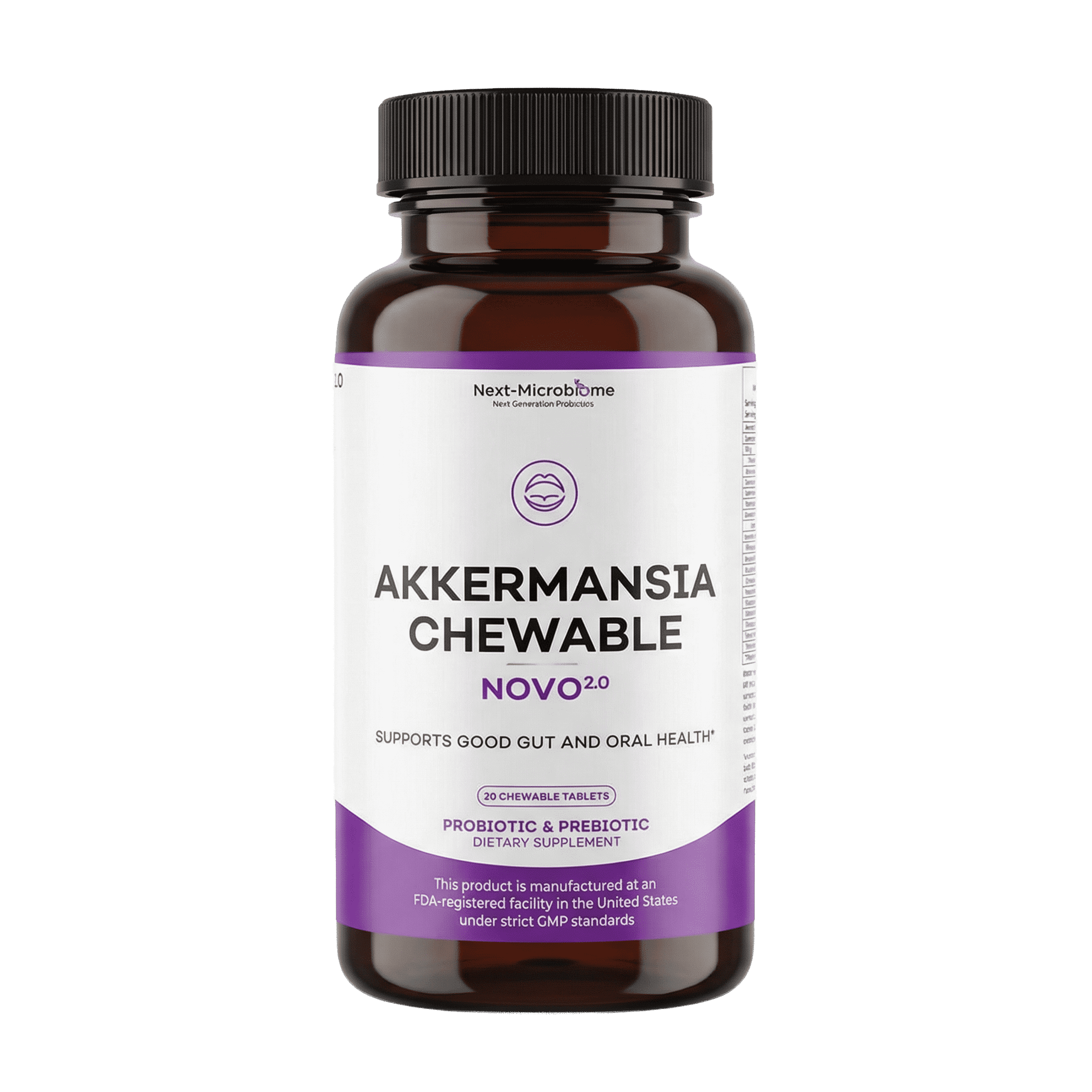


Is Leaky Gut Real? What Science Actually Supports
Leaky Gut Syndrome and Intestinal Permeability: A Science-Based Clarification
The term “leaky gut” appears everywhere online — from wellness blogs to supplement labels — yet it also attracts skepticism from clinicians and researchers. Some dismiss it as marketing hype; others point to real biological mechanisms. The truth sits between these extremes.
This article clarifies what science actually supports, why confusion exists, and how researchers understand intestinal permeability today — without fear-based claims, exaggerated promises, or sales language.
Summary
Leaky gut is not a recognized medical diagnosis, but the biological concept it refers to — intestinal permeability — is well established in scientific research. Intestinal permeability describes how substances pass between intestinal epithelial cells and is a normal, tightly regulated process essential for nutrient absorption and immune surveillance. Problems arise when this regulation becomes disrupted or persistently altered, often in association with inflammation, stress, diet, or microbiome imbalance. Modern research focuses on gut barrier regulation, tight junction signaling, mucus layer integrity, and microbiome-derived metabolites rather than the idea of a “damaged” or “broken” gut. Understanding mechanisms, not labels, provides a more accurate and clinically responsible framework.
Before considering an Akkermansia muciniphila supplement, it helps to understand the difference between popular “leaky gut” language and the scientific concept of intestinal permeability, especially how mucus-layer integrity, gut barrier regulation, SCFAs, and microbiome balance fit together.
Why There’s So Much Confusion Around “Leaky Gut”
“Leaky gut” is not a formal medical diagnosis. It is a popular phrase used to describe dysregulated intestinal permeability. Because the term spread faster than the science, it is often applied too broadly — sometimes to unrelated symptoms or as a one-size-fits-all explanation.
This overuse created two problems:
-
Exaggerated claims that promise rapid “repair.”
-
Skepticism that dismisses legitimate biology
To evaluate the topic fairly, terminology must be separated from mechanism.
What Scientists Mean by Intestinal Permeability
Intestinal permeability refers to how easily substances pass between intestinal epithelial cells. This process is normal and necessary. Nutrients must cross the intestinal lining, and immune cells routinely sample the contents of the gut.
Problems arise when permeability becomes poorly regulated, persistent, or associated with inflammatory signaling. Researchers focus on tight junction regulation, mucus layer integrity, immune–epithelial communication, and microbiome-derived metabolites (Bischoff et al., 2014).
Among these microbiome-related mechanisms, ongoing research into Akkermansia muciniphila benefits has drawn attention because this mucus-associated bacterium may help support gut barrier integrity and microbiome balance.
For a deeper scientific explanation, see "What Is the Difference Between Intestinal Permeability and Leaky Gut?"

Where the Term “Leaky Gut” Goes Wrong
The phrase “leaky gut” suggests a damaged pipe that needs to be sealed. This metaphor is misleading.
The intestinal barrier is dynamic, not broken:
-
Some permeability is essential
-
Regulation matters more than elimination
-
Barrier function shifts with diet, stress, sleep, and microbiome state
When the term is used to imply a single disease or a universal cause, it departs from evidence.
A natural GLP-1 support probiotic should be understood within this broader microbiome context, where gut barrier resilience, SCFA production, inflammatory balance, and metabolic signaling may work together rather than as a quick fix for intestinal permeability.

What Research Actually Supports
Scientific research consistently supports several mechanisms that regulate gut barrier function:
-
Barrier regulation, not barrier absence
-
Tight junction proteins that open and close in response to biological signals
-
Mucus-associated microbes that help maintain separation between bacteria and epithelial cells
-
Short-chain fatty acids (SCFAs) that influence epithelial energy metabolism and immune balance
These concepts are well established in gastroenterology and immunology research (Turner, 2009; Chelakkot et al., 2018).
For foundational biology, see "What Is the Gut Barrier, How It Functions, and How to Support It Naturally."
 So… Is Leaky Gut Real?
A balanced answer:
-
Yes, dysregulated intestinal permeability exists and is measurable
-
No, it is not a single diagnosis or universal explanation
-
It is best understood as a process, not a label
Modern research focuses on how the gut barrier is regulated rather than diagnosing individuals based on a popular term (Bischoff et al., 2014).
Who Should Pay Attention — and Who Shouldn’t
May benefit from learning more:
-
Individuals interested in digestive health
-
Those exploring gut–immune interactions
-
Readers seeking evidence-based explanations
Should not self-diagnose:
-
Anyone with severe or persistent symptoms
-
Anyone delaying medical evaluation
-
Anyone expecting a single diet or supplement to “fix” everything
Responsible information empowers better conversations with healthcare professionals.
Where to Go Next (Science-First Learning Path)
To continue learning without hype, explore these resources in order:
Together, these articles explain the biology, clarify misconceptions, and outline evidence-based support concepts.
FAQ:
1. Can doctors actually test for intestinal permeability?
There is no single standard clinical test that diagnoses “leaky gut syndrome” as a formal medical condition. In research and some specialty settings, clinicians may assess barrier function with methods such as lactulose-mannitol sugar absorption testing or advanced endoscopic techniques, but Mayo Clinic notes that some commercial gut-permeability assays are not validated for routine clinical practice. A 2025 Gastroenterology review also states that barrier assessment uses several in vitro, in vivo, and ex vivo methods rather than one definitive office test.
Scientific References:
https://www.mayoclinic.org/medical-professionals/digestive-diseases/news/food-sensitivities-may-affect-gut-barrier-function/mac-20429973
https://pubmed.ncbi.nlm.nih.gov/39236897/
https://my.clevelandclinic.org/health/diseases/22724-leaky-gut-syndrome
2. Can symptoms alone tell you whether you have increased intestinal permeability?
No. Symptoms often linked online to “leaky gut,” such as bloating, abdominal discomfort, indigestion, or food-related digestive complaints, are not specific to intestinal permeability. Medical experts explain that these symptoms may reflect many different digestive conditions, so symptoms alone cannot confirm whether intestinal permeability is altered.
Scientific References:
https://my.clevelandclinic.org/health/diseases/22724-leaky-gut-syndrome
https://www.hopkinsmedicine.org/-/media/files/health/ebooks/gut-health.ashx
3. Can chronic stress affect intestinal permeability?
Stress may influence gut barrier regulation, but it should be described carefully. Research reviews report strong animal and laboratory evidence that psychosocial stress can affect intestinal permeability, while also noting that human evidence is still developing. Current gastroenterology literature continues to examine stress as one of several factors involved in gut barrier regulation and gut-brain interaction.
Scientific References:
https://pmc.ncbi.nlm.nih.gov/articles/PMC10569989/
https://pubmed.ncbi.nlm.nih.gov/39236897/
Key Takeaways
-
“Leaky gut” is a popular term, not a medical diagnosis
-
Intestinal permeability is real and biologically necessary
-
Problems arise when regulation is disrupted, not when permeability exists
-
Science focuses on barrier signaling, not quick fixes
-
Understanding mechanisms is more useful than labels
Scientific References
-
Bischoff SC et al.
Intestinal permeability – a new target for disease prevention and therapy.
BMC Gastroenterology (2014). -
Chelakkot C et al.
Mechanisms regulating intestinal barrier integrity and its pathological implications.
Experimental & Molecular Medicine (2018). -
Turner JR.
Intestinal mucosal barrier function in health and disease.
Nature Reviews Immunology (2009).
Author
Written by Ali Rıza Akın
Microbiome Scientist, Author & Founder of Next-Microbiome
Ali Rıza Akın is a microbiome scientist with nearly 30 years of experience in translational biotechnology, systems biology, and applied microbiome research, spanning discovery, preclinical development, and clinical-stage translation.
His work focuses on how microbial ecosystems interact with human physiology, including:
-
Gut barrier function and intestinal permeability
-
Mucus-associated microbiota (Akkermansia-related systems)
-
Oral–gut microbiome axis
-
Short-chain fatty acids (SCFAs) and metabolic signaling
-
Circadian rhythm–microbiome interactions
-
Clinical Research Contributions
He has contributed to multiple clinical-stage microbiome programs, supporting bacterial strain discovery, optimization, and formulation design across different therapeutic areas, including:
Active Ulcerative Colitis (Inflammatory Bowel Disease)
Hyperoxaluria (Oxalate Metabolism Disorder)
Microbiome-driven gut health and inflammatory conditions
These studies were part of broader clinical development programs evaluating microbiome-based approaches. His contributions focused on the early-stage scientific and translational pipeline, including strain discovery, functional optimization, and multi-strain formulation design.
Scientific Contributions:
Ali Rıza Akın is the discoverer of Christensenella californii, a bacterial species associated with microbiome diversity and metabolic health.
He is a contributing author to scientific publications and Bacterial Therapy of Cancer (Springer), and the author of Bakterin Kadar Yaşa: İçimizdeki Evren: Mikrobiyotamız.
Approach:
His work emphasizes evidence-based microbiome science, long-term safety, and a systems-based understanding of how microbes influence human health.
The content provided is for educational and informational purposes only and does not replace professional medical advice, diagnosis, or treatment.

What Is Gut Barrier Support, Who May Benefit, and Who Should Be Cautious
Intestinal Permeability vs. Leaky Gut: What’s the Difference?
Related Posts

Why Do You Wake Up at 3 A.M.? Gut, Cortisol and Blood Sugar

Can Gut Health Affect Sleep? What Human Research Shows About the Gut Microbiome

Ozempic Plateau? What Your Gut Microbiome May Be Telling You About Slower Weight Loss

Akkermansia vs Ozempic: Why Gut Balance May Shape GLP-1 and Digestion

GLP-1 Gut Side Effects: Why Bloating and Constipation Happen and What May Help

Best Probiotic for Leaky Gut? Why Gut Barrier Support Differs From Digestive Probiotics

Can You Support Akkermansia Naturally, or Are Supplements Needed?
