

What Are the Benefits of Probiotics for Digestive Health?
Digestive Wellness Explained: More Than Just Digestion
Many people define digestive wellness by one simple metric: how easily food moves through the gut.
For many people, digestion doesn’t feel broken — it feels fragile.
But modern gastroenterology and microbiome science show that digestive wellness is a systems-level outcome, not a single function.
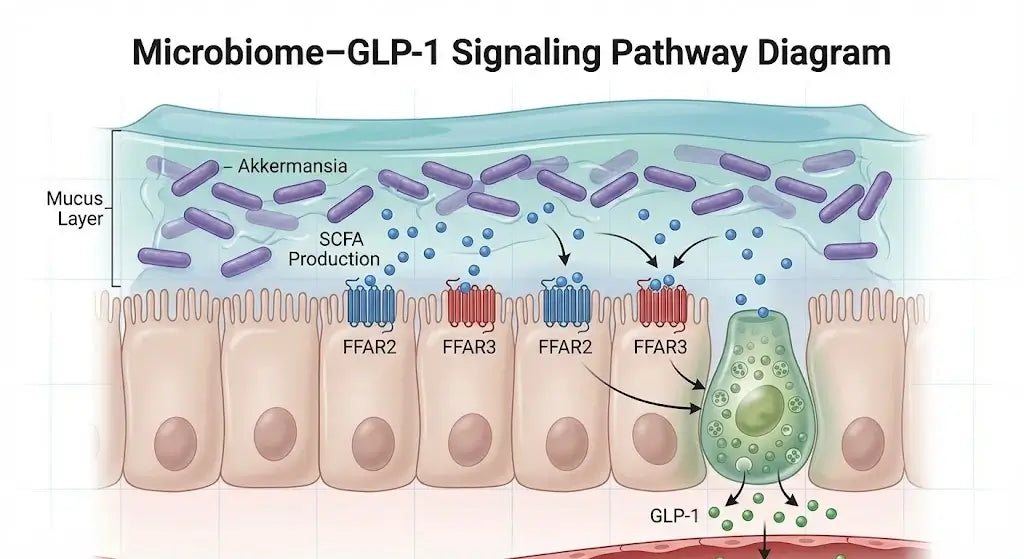
Current microbiome research, including areas of GLP-1 microbiome science, shows that digestive wellness is closely linked to microbial signaling, gut barrier integrity, and systemic metabolic communication.
According to Nature Reviews Immunology, gut health depends on the integrity of the intestinal barrier, immune tolerance, and controlled host–microbe communication — not digestion alone (Turner, 2009).
This article explains what digestive wellness truly means, why digestion alone is an incomplete indicator, and how probiotics support digestive wellness when they align with gut barrier biology and microbiome balance.
For anyone comparing the best Akkermansia probiotic, the starting point is understanding how digestive wellness depends on gut barrier integrity, mucus-layer resilience, microbial balance, and long-term inflammatory regulation.
Frequently Asked Questions About Digestive Wellness
1. What is digestive wellness?
Digestive wellness reflects the gut’s ability to digest food, regulate immune responses, maintain barrier integrity, and communicate with the nervous system.
2. Is digestive wellness the same as good digestion?
No. Research shows that inflammation and barrier dysfunction can exist even when digestion appears normal (Nature Reviews Immunology, Turner, 2009).
3. Can probiotics improve digestive wellness?
Yes — when they influence microbial balance, immune signaling, and barrier resilience rather than focusing only on bowel movements (Nature Reviews Gastroenterology & Hepatology, Hill et al., 2014).
4. What are the signs that digestive wellness may need support, even if bowel movements seem normal?
Regular bowel movements do not always mean everything is fully optimized. Some people still deal with bloating, excess gas, abdominal discomfort, food-related sensitivity, or digestive symptoms that flare during stress. When these patterns keep happening, they can be a sign that digestive wellness needs more attention, even if digestion does not seem obviously “broken.”
5. Can stress affect digestive wellness?
Yes. The gut and brain communicate constantly, which is why stress can show up as stomach pain, bloating, diarrhea, constipation, nausea, or heartburn in some people. Medical experts also note that stress can worsen existing digestive symptoms, so digestive wellness is not only about food. It is also shaped by the nervous system, stress load, and daily recovery habits.
6. What foods help support digestive wellness?
A strong foundation usually starts with a varied, fiber-rich eating pattern — an approach often discussed in strategies on how to increase Akkermansia naturally, including the use of polyphenol-rich foods, prebiotic fibers, and diverse plant-based nutrition.
Digestion Is Only One Layer of Digestive Wellness
Digestion involves enzymatic breakdown and nutrient absorption. Digestive wellness includes:
-
microbial ecosystem stability
-
gut barrier integrity
-
immune tolerance
-
inflammatory regulation
-
gut–brain communication
Clinical evidence shows that people can digest food efficiently yet still experience bloating, fatigue, or inflammation due to epithelial barrier dysfunction and immune activation (Nature Reviews Immunology, Turner, 2009).
This explains why digestive symptoms often persist even when enzyme supplementation or dietary changes appear adequate.
The Gut Barrier Is Central to Digestive Wellness
The gut barrier and intestinal lining health are central to digestive wellness because the gut barrier acts as a selective interface controlling microbial and antigen exposure to the immune system.
It consists of:
-
a mucus layer
-
epithelial cells
-
tight junction proteins
-
immune signaling networks
As reviewed in Experimental & Molecular Medicine, microbial metabolites, such as short-chain fatty acids (SCFAs), directly regulate tight junction expression and epithelial repair (Chelakkot et al., 2018).
When barrier integrity is compromised, immune activation increases and digestive comfort declines — even if digestion itself remains normal.
A practical application of this concept is explored in Probiotics for Stomach Lining & Intestinal Health, which focuses on mucosal resilience rather than digestion speed.
Microbiome Balance Shapes Digestive Comfort
The gut microbiome supports digestive wellness by:
-
fermenting fibers into SCFAs
-
regulating immune tolerance
-
maintaining mucus layer thickness
-
suppressing inflammatory species
Emerging research also suggests that GLP-1 and microbiome signaling may be linked through gut-derived pathways involved in broader metabolic regulation.
A natural GLP-1 support probiotic should be understood as part of this broader microbiome framework, where SCFA production, gut barrier resilience, digestive wellness, and metabolic signaling work together to support long-term balance.
For readers comparing a GLP-1 probiotic supplement, this topic should be understood through microbiome balance, SCFA production, gut barrier resilience, digestive wellness, and metabolic signaling rather than as a direct GLP-1 medication.
Loss of microbial diversity is consistently associated with digestive sensitivity and inflammatory signaling, as shown in multiple microbiome reviews (Experimental & Molecular Medicine, Chelakkot et al., 2018).
This is why digestive wellness cannot be separated from microbiome health — a systems view outlined in the Gut Health & Microbiome Knowledge Hub.
Probiotics and Digestive Wellness: What Actually Helps
According to the international probiotic consensus published in Nature Reviews Gastroenterology & Hepatology, probiotics support health through immune modulation, microbial signaling, and barrier interactions — not permanent colonization (Hill et al., 2014).
For readers seeking more detail on how probiotic mechanisms support mucosal and intestinal barrier biology, see Probiotics for Stomach Lining & Intestinal Health.
High-quality probiotics support digestive wellness when they:
-
reduce inflammatory signaling
-
reinforce barrier integrity
-
improve immune tolerance
-
stabilize microbial networks
This explains why daily probiotic use is most effective when biologically justified, as discussed in Daily Probiotic Supplement: Do You Really Need One?
Mucus-Associated Microbes and Long-Term Digestive Wellness
Some beneficial microbes interact directly with the mucus layer, which is essential for long-term digestive resilience.
Akkermansia muciniphila is one of the most studied mucus-associated species. Research published in Frontiers in Microbiology exploring Akkermansia muciniphila benefits shows that this species is associated with epithelial integrity, immune balance, and metabolic signaling (Cani & de Vos, 2017).
Because of this role, Akkermansia is often discussed in the context of gut barrier protection rather than digestion alone — explained further in the Akkermansia Microbiome Hub.

Delivery Format Matters for Digestive Wellness
Microbial signaling begins before bacteria reach the colon. Studies published in Cell demonstrate that circadian timing and upstream microbial interactions shape host–microbe communication throughout the gut (Thaiss et al., 2014).
Chewable probiotics engage:
-
oral–gut signaling pathways
-
salivary enzymes
-
early immune and digestive cues
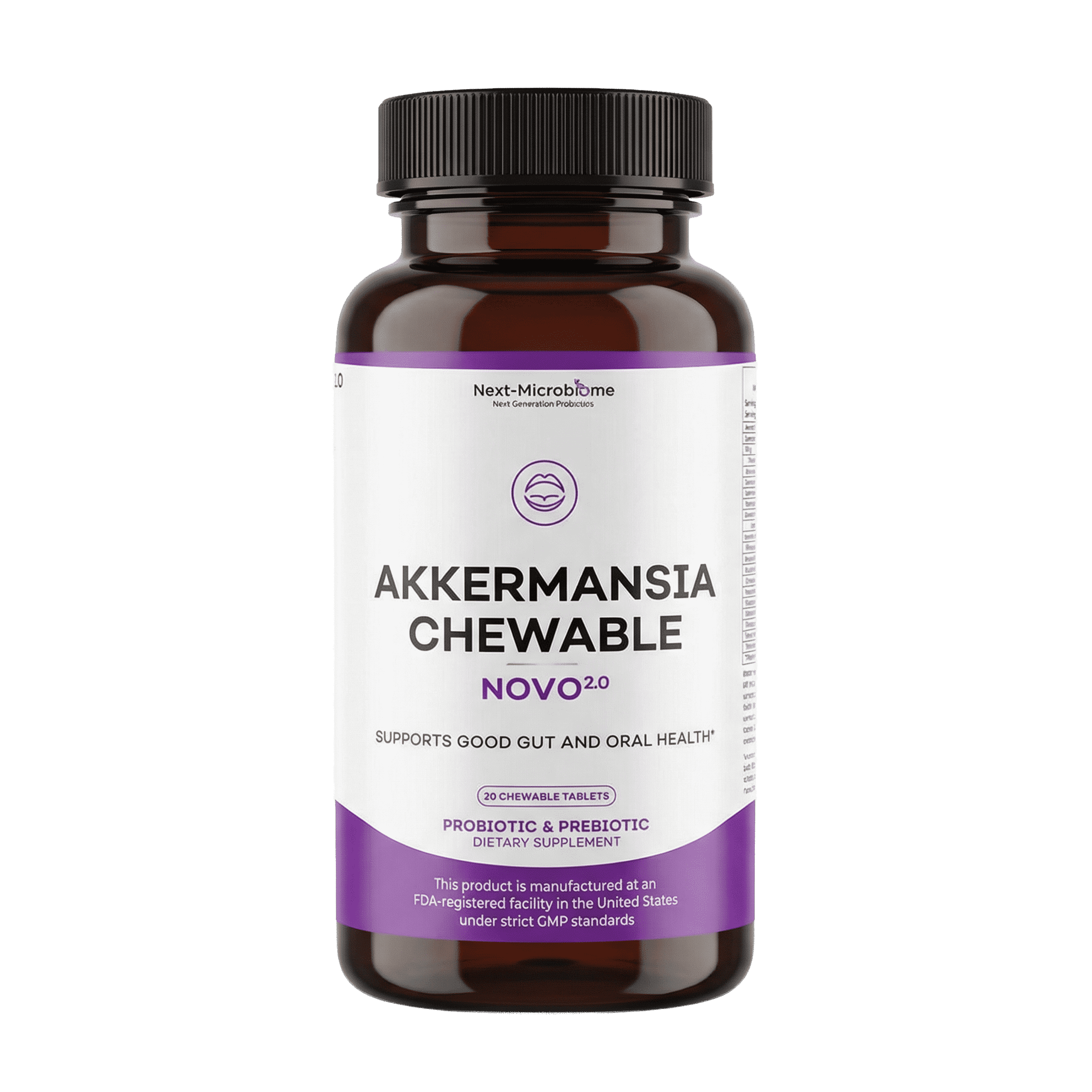
An Akkermansia chewable probiotic formula may be especially relevant in this context because chewable delivery supports early oral–gut interaction while aligning with mucosal integrity, barrier support, and digestive wellness goals.
This upstream engagement can influence downstream barrier responses, which is why delivery format matters for digestive wellness.
For readers comparing pasteurized vs lyophilized probiotic formats, this distinction should be understood as part of a broader discussion about formulation stability, delivery quality, microbial viability, barrier support, and the intended biological mechanism.
A practical example is Akkermansia Chewable Probiotic and Prebiotic, formulated to support oral–gut signaling and mucosal integrity as part of a digestive wellness strategy.
Digestive Wellness Is a Systems Outcome
Digestive wellness emerges when:
-
microbiome balance is stable
-
gut barrier integrity is preserved
-
immune responses are regulated
-
circadian rhythms are aligned
-
stress signaling is controlled
Probiotics support digestive wellness only when they fit within this system — not as isolated fixes.
Scientific References
-
Turner J.R. (2009). Intestinal mucosal barrier function in health and disease.
Nature Reviews Immunology. -
Chelakkot C. et al. (2018). Gut microbiota–derived metabolites and intestinal barrier function.
Experimental & Molecular Medicine. -
Hill C. et al. (2014). Expert consensus on the definition and scope of probiotics.
Nature Reviews Gastroenterology & Hepatology. -
Cani P.D., de Vos W.M. (2017). Next-generation beneficial microbes: The case of Akkermansia muciniphila.
Frontiers in Microbiology, 8:1765. -
Thaiss C.A. et al. (2014). Transkingdom control of microbiota diurnal oscillations promotes metabolic homeostasis.
Cell, 159(3), 514–529.
Written by Ali Rıza Akın
Microbiome Scientist, Author & Founder of Next-Microbiome
Ali Rıza Akın is a microbiome scientist with nearly 30 years of experience in biotechnology, translational research, and microbiome-driven health innovation, spanning academic research, Silicon Valley biotech, and applied clinical product development.
He is internationally recognized for his work on gut barrier biology, host–microbiome signaling, mucosal immunity, oral–gut axis communication, short-chain fatty acid (SCFA) metabolism, and next-generation probiotic delivery systems. His research and applied work focus on how microbial ecosystems interact with epithelial barriers, immune tolerance, metabolic regulation, and circadian biology.
Ali Rıza Akın is the discoverer of Christensenella californii, a human-associated bacterial species linked to metabolic health and mucosal integrity, and has contributed to advancing scientific understanding of how specific microbes influence host physiology beyond traditional digestion.
He is the author of Bakterin Kadar Yaşa: İçimizdeki Evren, a science-based book on the human microbiome written for both professionals and educated readers, and a contributing author to Bacterial Therapy of Cancer (Springer, Methods in Molecular Biology).
As the founder of Next-Microbiome, he bridges fundamental microbiome science and real-world applications, emphasizing evidence-based probiotic strategies that prioritize biological mechanisms over marketing claims. His educational writing focuses on translating complex microbiome research into accurate, accessible insights aligned with current peer-reviewed evidence.
Menopause Gut Health Science Hub: Microbiome, Hormones, Sleep, and Natural Relief
Why Does Oral Dysbiosis Matter for Gut and Metabolic Health?
Related Posts

Why Do You Wake Up at 3 A.M.? Gut, Cortisol and Blood Sugar

Can Gut Health Affect Sleep? How the Microbiome May Shape Rest and Recovery

Ozempic Plateau? What Your Gut Microbiome May Be Telling You About Slower Weight Loss

Akkermansia vs Ozempic: Why Gut Balance May Shape GLP-1, Digestion, and Results

GLP-1 Gut Side Effects: Why Bloating and Constipation Happen and What May Help

Best Probiotic for Leaky Gut? Why Gut Barrier Support Differs From Digestive Probiotics

Can You Support Akkermansia Naturally, or Are Supplements Needed?