


Can Your Gut Microbiome Support Natural GLP-1 Balance and Metabolic Health?
Obesity and the Microbiome: Natural GLP-1 Enhancement with Boost Synergy GLP-1 and Akkermansia Chewables
Obesity isn't just about calories—it’s a personal battle intimately linked to the health of your gut microbiome. Worldwide, more than 650 million adults struggle with obesity, yet few realize the significant impact that gut bacteria have on weight management. My personal journey to overcoming obesity began by discovering the hidden power of my microbiome and choosing a natural alternative to risky GLP-1 injections.
My Struggle with Obesity: A Microbiome Awakening
For years, I battled persistent weight gain despite strict diets and rigorous exercise routines. My frustration grew until I realized the underlying issue was not just my lifestyle choices, but also the trillions of microbes residing in my gut. These microorganisms are vital for regulating metabolism, hunger signals, and overall health. Unfortunately, obesity leads to gut dysbiosis—an imbalance dominated by calorie-absorbing Firmicutes bacteria, causing my body to relentlessly store fat.
Gut Health’s Crucial Role in Weight Management:
-
Reducing appetite and controlling cravings
- This is also why stress and cravings are often discussed together in microbiome research, especially when gut-brain signaling, cortisol patterns, appetite regulation, and emotional eating overlap.
-
Managing inflammation and improving insulin sensitivity
-
Promoting essential hormone production, notably GLP-1
For readers who want a broader foundation, this gut health microbiome guide explains how microbial balance, gut barrier support, inflammation, and metabolism work together.
When comparing Akkermansia probiotics for metabolic wellness, it helps to understand how this microbe fits into gut barrier integrity, microbial balance, inflammation regulation, appetite-related signaling, and long-term metabolic resilience. Akkermansia support should be viewed as part of a broader microbiome and lifestyle strategy, not as a stand-alone weight-loss solution.
GLP-1: Nature’s Powerful Weight-Loss Hormone
GLP-1 (Glucagon-like Peptide-1) became my body’s natural ally in weight management, offering remarkable benefits:
-
Naturally suppressing hunger and cravings
-
Slowing digestion, increasing satiety
-
Stabilizing blood sugar levels
-
Promoting fat burning
However, poor dietary habits and disrupted gut health had diminished my natural GLP-1 production, exacerbating my obesity.
This is where GLP-1 microbiome science becomes relevant, because GLP-1 and microbiome signaling are closely connected through gut microbes and their metabolites, which help shape the broader metabolic environment that influences natural GLP-1 activity.
This is where GLP-1 and gut microbiome signaling becomes relevant, because gut microbes and their metabolites help shape the broader metabolic environment that influences natural GLP-1 activity.
In this context, GLP-1 microbiome support is best understood as a gut-focused strategy that may complement fiber intake, microbial diversity, and metabolic balance rather than replace medical guidance or prescribed treatment.
The Harsh Reality of GLP-1 Injections
Initially, GLP-1 injections seemed promising, but the adverse effects quickly became apparent:
-
Immediate side effects: Severe nausea, diarrhea, constipation
-
Long-term risks: Increased chance of pancreatitis, thyroid issues, gallbladder diseases
-
Financial burden: High cost with inevitable weight regain upon discontinuation
Determined to find a safer, lasting solution, I turned to natural microbiome-focused therapies.
Discovering Boost Synergy GLP-1 and Akkermansia Chewables
My breakthrough came with two potent, natural supplements designed specifically for gut health:
Boost Synergy GLP-1: Effective Probiotic Support
Boost Synergy GLP-1 capsules contain beneficial probiotics like Clostridium butyricum, scientifically validated to:
-
Increase production of short-chain fatty acids (SCFAs), naturally enhancing GLP-1
- For readers exploring how SCFAs support the microbiome, these metabolites help connect fiber fermentation, gut barrier function, inflammation regulation, and metabolic signaling.
-
Decrease visceral fat and inflammation
-
Improve insulin sensitivity dramatically
This is where SCFAs and metabolic health become relevant, since butyrate-producing microbes may help support gut barrier function, inflammation balance, and metabolic communication.
Akkermansia Chewables: Restoring My Gut Integrity
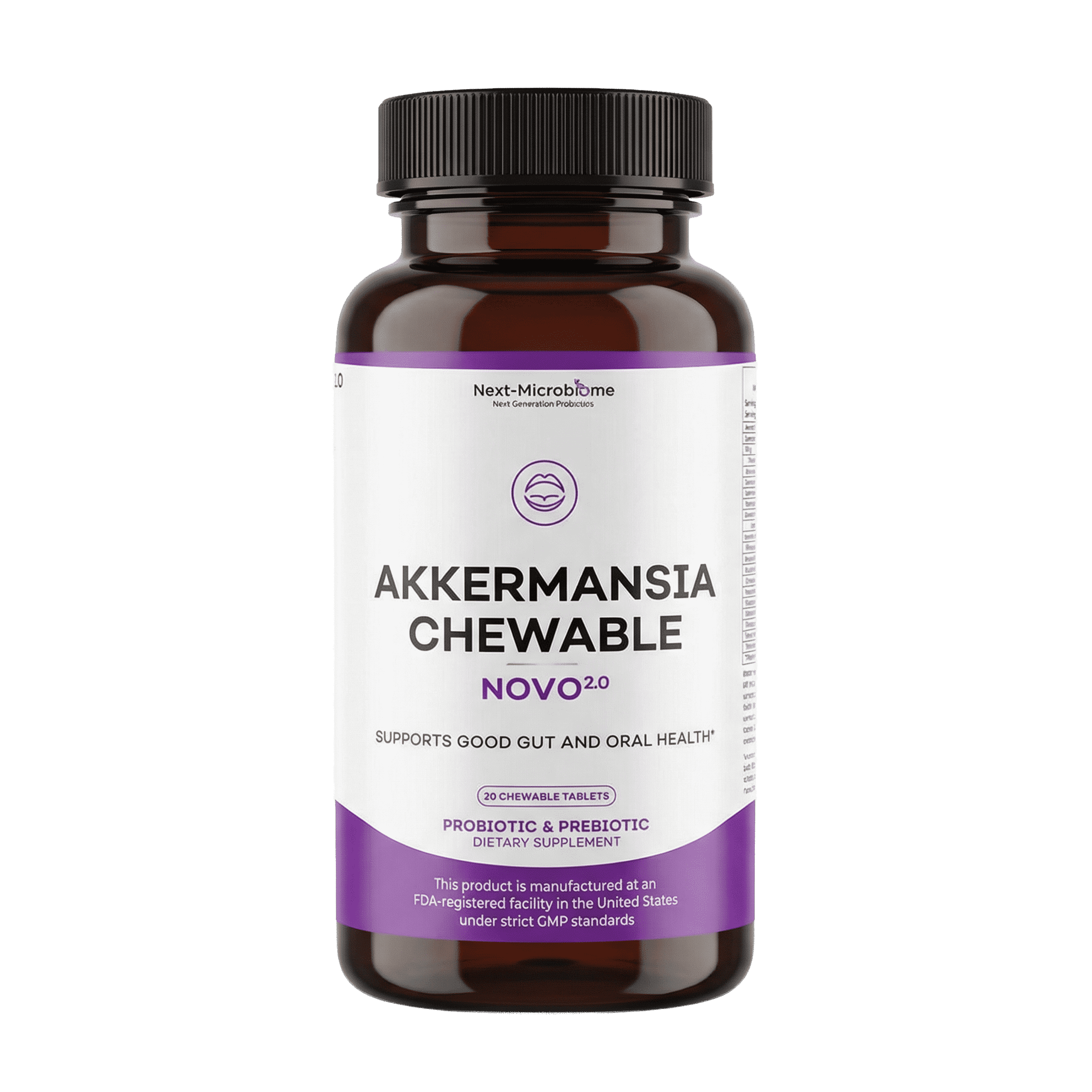
Integrating Akkermansia muciniphila chewables into my daily routine provided essential benefits:
-
Supported gut barrier and intestinal lining health
-
Reduced inflammation and lowered harmful metabolic toxins (LPS)
-
Balanced my gut microbiome, directly combating obesity
From the perspective of Akkermansia muciniphila science, interest in this bacterium centers on gut barrier integrity, host-microbe signaling, and metabolic regulation rather than rapid or isolated effects.
For readers exploring akkermansia gut health, the key connection is its relationship with mucus-layer biology, intestinal barrier resilience, inflammatory balance, and metabolic signaling.
Why I Chose the Combined Approach of Boost Synergy GLP-1 and Akkermansia:
Together, these two products offered a comprehensive, microbiome-centric solution:
-
Enhanced my natural GLP-1 levels safely and sustainably
-
Facilitated effective, side-effect-free weight loss
-
Restored overall gut health, significantly reducing obesity-associated inflammation
My Simple Daily Protocol:
-
Morning: 1 Boost Synergy GLP-1 capsule after breakfast and 1 capsule after lunch
-
Evening: 1 Akkermansia Chewable before bedtime (thoroughly chewed)
I further optimized my results by incorporating 25 grams of prebiotic fiber daily, regular exercise, and consistent sleep (7-9 hours nightly).
The connection between the microbiome and sleep matters here because circadian consistency may influence appetite signaling, microbial rhythm, metabolic regulation, and digestive resilience.
Inspiring Real-Life Transformations:
Many users, like myself, have experienced significant health improvements:
“After transitioning from GLP-1 injections to these probiotics, I lost 15 pounds in 10 weeks—without nausea or any adverse side effects. My cravings are gone, and my overall health has significantly improved!” — Emily T., Verified Customer
Conclusion: Sustainable Weight Loss Begins in Your Gut
From personal experience, I can confidently affirm that lasting weight loss begins within your gut microbiome. By harnessing the natural power of Boost Synergy GLP-1 and Akkermansia Chewables, you too can achieve safe, effective, and sustainable weight management. Take control today and embrace this powerful, natural solution!
FAQ:
1. Can probiotics really support weight management, or do they work best with diet and lifestyle changes?
Probiotics may support weight management in some people, especially when the goal is to improve gut balance, inflammation, and metabolic signaling. But the strongest approach is still to combine microbiome support with fiber-rich eating, regular movement, and consistent sleep, since NIH notes that obesity-related probiotic results are promising in some studies but mixed overall.
For readers comparing options, the best probiotic for gut lining is usually one that supports gut barrier integrity, microbial balance, and long-term metabolic resilience rather than promising fast weight-loss results.
Scientific Reference:
https://ods.od.nih.gov/factsheets/Probiotics-HealthProfessional/
https://www.sciencedirect.com/science/article/pii/S2665927124001369
https://www.hopkinsmedicine.org/health/wellness-and-prevention/your-digestive-system-5-ways-to-support-gut-health
2. What foods help support natural GLP-1 signaling and a healthier microbiome?
A practical starting point is to build meals around protein and fiber. Cleveland Clinic notes that protein and fiber help with fullness and blood sugar stability, while fiber-rich and prebiotic foods such as beans, oats, vegetables, fruits, whole grains, asparagus, and lentils help nourish beneficial gut microbes that support the broader metabolic environment.
These food-based GLP-1 strategies are best understood as supportive habits that may encourage satiety, microbial diversity, and metabolic balance rather than a replacement for medical treatment.
For readers looking for natural GLP-1 support, a practical starting point is to build meals around protein, fiber, and microbiome-supportive foods.
Scientific Reference:
https://my.clevelandclinic.org/watch/glp-1-diet
https://health.clevelandclinic.org/what-are-prebiotics
https://health.clevelandclinic.org/prebiotics-vs-probiotics-whats-the-difference
3. How long does it usually take to notice changes from a microbiome-focused weight routine?
Usually not overnight. Probiotic and microbiome-supportive routines tend to work gradually, and Cleveland Clinic notes that benefits are generally expected over the longer term, while a human Akkermansia study in overweight and obese adults evaluated results over 3 months rather than a few days. In practice, consistency matters more than expecting immediate changes.
Scientific Reference:
https://my.clevelandclinic.org/health/treatments/14598-probiotics
https://pubmed.ncbi.nlm.nih.gov/31263284/
Written by Ali Rıza Akın
Microbiome Scientist, Author & Founder of Next-Microbiome
Ali Rıza Akın is a microbiome scientist with nearly 30 years of experience in translational biotechnology, systems biology, and applied microbiome research, spanning discovery, preclinical development, and clinical-stage translation.
His work focuses on how microbial ecosystems interact with human physiology, including:
-
Gut barrier function and intestinal permeability
-
Mucus-associated microbiota (Akkermansia-related systems)
-
Oral–gut microbiome axis
-
Short-chain fatty acids (SCFAs) and metabolic signaling
-
Circadian rhythm–microbiome interactions
-
Clinical Research Contributions
He has contributed to multiple clinical-stage microbiome programs, supporting bacterial strain discovery, optimization, and formulation design across different therapeutic areas, including:
Active Ulcerative Colitis (Inflammatory Bowel Disease)
Hyperoxaluria (Oxalate Metabolism Disorder)
Microbiome-driven gut health and inflammatory conditions
These studies were part of broader clinical development programs evaluating microbiome-based approaches. His contributions focused on the early-stage scientific and translational pipeline, including strain discovery, functional optimization, and multi-strain formulation design.
Scientific Contributions:
Ali Rıza Akın is the discoverer of Christensenella californii, a bacterial species associated with microbiome diversity and metabolic health.
He is a contributing author to scientific publications and Bacterial Therapy of Cancer (Springer), and the author of Bakterin Kadar Yaşa: İçimizdeki Evren: Mikrobiyotamız.
Approach:
His work emphasizes evidence-based microbiome science, long-term safety, and a systems-based understanding of how microbes influence human health.
All content is provided for educational purposes only and does not replace personalized medical advice. Readers should consult qualified healthcare professionals for individual health decisions
Can Akkermansia Help Support Mood, Stress Resilience, and Gut-Brain Health?
Probiotic CFU Counts: What Actually Makes a Probiotic Work Better
Related Posts

Why Do You Wake Up at 3 A.M.? Gut, Cortisol, Blood Sugar, and Sleep Recovery

Can Gut Health Affect Sleep? How the Microbiome May Shape Rest and Recovery

Ozempic Plateau? What Your Gut Microbiome May Be Telling You About Slower Weight Loss

Akkermansia vs Ozempic: Why Gut Balance May Shape GLP-1, Digestion, and Results

GLP-1 Gut Side Effects: Why Bloating and Constipation Happen and What May Help

Best Probiotic for Leaky Gut? Why Gut Barrier Support Differs From Digestive Probiotics

Can You Support Akkermansia Naturally, or Are Supplements Needed?
