


Best Herbal Ingredients for Menopause and Why Gut Health Shapes Relief
Best Herbal Ingredients for Menopause: Black Cohosh, Red Clover, Maca & More
Herbal menopause support is widely discussed — but rarely explained with biology.
Many women search for natural menopause relief through botanicals, yet encounter fragmented advice, single-ingredient solutions, or claims that ignore how menopause symptoms actually arise.
This article explains the best herbal ingredients for menopause, how they work biologically, and why they are most effective when combined with gut and microbiome support rather than used in isolation.
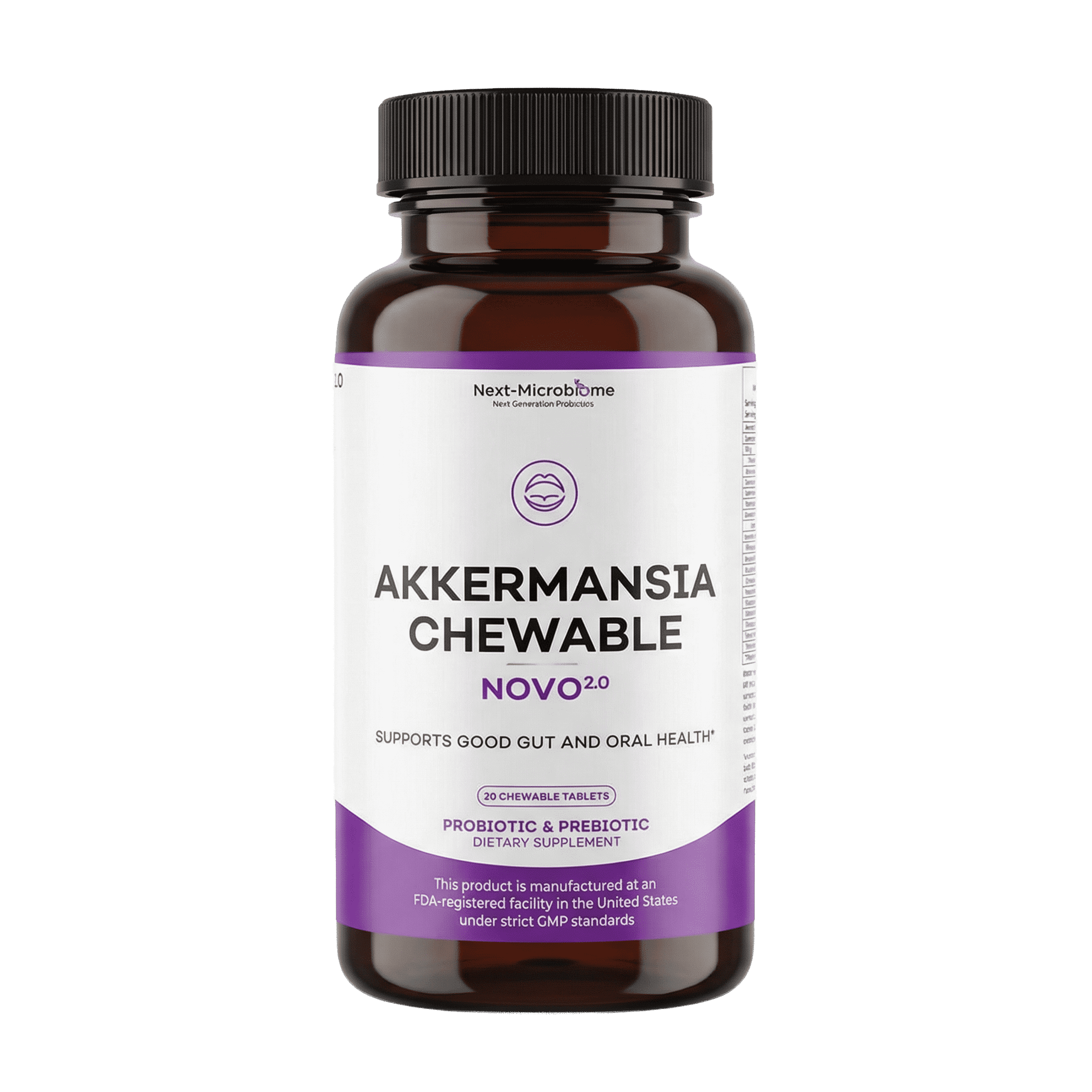
For women researching an Akkermansia muciniphila supplement, the connection to menopause is best understood through gut barrier resilience, inflammatory balance, metabolic signaling, and microbiome support. It should not be viewed as a stand-alone menopause solution, but as part of a broader gut-hormone wellness strategy alongside nutrition, lifestyle habits, and clinician-guided care.
This ingredient guide builds on the menopause biology explained in our pillar article:
How Do Hormones and the Microbiome Affect Menopause and Women’s Gut Health?
Frequently Asked Questions About Herbal Menopause Support:
1. What are the best herbal ingredients for menopause?
Clinical and ethnobotanical research consistently highlights black cohosh, red clover isoflavones, chasteberry (Vitex), maca root, lavender, passionflower, and grape seed extract as the most studied herbal ingredients for menopause, each targeting different biological pathways related to vasomotor symptoms, mood regulation, stress resilience, and sleep.
2. Do herbal menopause supplements actually work?
As shown in multiple clinical reviews, herbal supplements can reduce menopause symptoms when properly formulated and used consistently, primarily when they modulate inflammation, neuroendocrine signaling, and stress pathways rather than attempting to replace hormones directly (Fritz et al., Cochrane Database).
3. How long does it take for herbal menopause support to work?
Biological adaptation typically requires 8–12 weeks, as herbs influence receptor signaling, stress physiology, and microbiome-mediated metabolism rather than producing immediate pharmacological effects.
4. Are herbal menopause supplements safe?
Most studied herbs are considered safe when used at appropriate doses, but safety depends on formulation quality, individual health status, and interactions. Clinical guidance is recommended when uncertainty exists.
5. Should herbal menopause support include gut health?
Yes. As explained in menopause–microbiome research, herbal compounds are metabolized by gut bacteria, and microbiome imbalance, including disruptions in gut barrier and intestinal lining health, can reduce efficacy and consistency of symptom relief.
For readers comparing options, the best probiotic for gut lining is usually one that supports microbial balance, gut barrier integrity, and long-term digestive resilience as part of a broader menopause wellness strategy, not as a replacement for herbal or medical guidance.
6. Which herbal ingredients are commonly used for menopause relief?
Several herbal ingredients are commonly discussed for menopause support, including black cohosh, red clover, ashwagandha, maca root, and evening primrose oil. These botanicals are often studied for their potential roles in supporting hormonal balance, stress resilience, and overall well-being during menopause.
7. Do herbal remedies help with menopause symptoms?
Some herbal ingredients have been studied for their potential to support hot flash management, mood balance, and sleep quality during menopause. However, responses can vary between individuals, and herbal approaches are generally considered part of a broader wellness strategy that includes nutrition, lifestyle habits, and medical guidance.
8. How do plant compounds influence hormonal health?
Many herbal ingredients contain phytoactive compounds such as phytoestrogens and adaptogens. These compounds may interact with hormone receptors or stress-response pathways, which is why they are studied for their potential role in supporting hormonal transitions like menopause.
Why Herbal Ingredients Matter During Menopause
Menopause symptoms arise from system-wide biological changes, including:
-
altered estrogen signaling
-
increased inflammatory tone
-
stress-hormone dysregulation
-
disrupted circadian rhythm
-
gut microbiome imbalance
Herbal compounds do not replace hormones.
Instead, they modulate signaling pathways involved in thermoregulation, neurotransmission, vascular tone, and stress resilience — making them valuable tools when used correctly.
Black Cohosh — Hot Flash & Vasomotor Support
Black cohosh (Cimicifuga racemosa) is one of the most extensively studied herbs for menopause.
Rather than acting as estrogen, it influences:
-
hypothalamic thermoregulation
-
serotonergic signaling
-
inflammatory mediators
A major Cochrane review led by Dr. Heidi Fritz concluded that black cohosh may reduce vasomotor symptoms without estrogenic activity, explaining its relevance for women seeking non-hormonal options.
Best suited for:
-
hot flashes
-
night sweats
-
thermoregulatory instability
Red Clover — Gentle Estrogen Receptor Modulation
Red clover isoflavones are phytoestrogens that gently interact with estrogen receptors, particularly ER-β.
Clinical trials published in Menopause by Dr. Kaori Taku demonstrated modest reductions in hot flash frequency, without the systemic hormonal effects associated with hormone therapy.
Best suited for:
-
mild to moderate hot flashes
-
women avoiding synthetic hormones
Chasteberry (Vitex) — Mood & Hormonal Rhythm Support
Vitex agnus-castus influences:
-
dopaminergic signaling
-
prolactin regulation
-
hypothalamic–pituitary rhythm
Clinical observations published in the Korean Journal of Family Medicine show that Vitex supplementation can improve mood-related menopausal symptoms, particularly irritability and emotional volatility.
Best suited for:
-
mood swings
-
emotional instability

Maca Root — Energy, Stress & Resilience
Maca (Lepidium meyenii) is an adaptogenic root that supports menopause resilience without acting on estrogen receptors.
As described in Evidence-Based Complementary and Alternative Medicine by Dr. Gustavo F. Gonzales, maca appears to influence the HPA axis, supporting stress adaptation, energy, and mood balance.
For readers exploring probiotics for mental wellness, this topic is best understood through the broader gut-brain and stress-response pathways that may influence mood balance, sleep quality, and menopause resilience.
Best suited for:
-
fatigue
-
low motivation
-
stress-related symptoms
Lavender & Passionflower — Sleep & Nervous System Calm
Sleep disruption amplifies menopause symptoms across all systems.
Lavender and passionflower influence:
-
GABAergic neurotransmission
-
autonomic nervous system balance
-
sleep architecture
Clinical studies in Phytomedicine led by Dr. Andrew Scholey link lavender supplementation to improved sleep quality and reduced anxiety — making it valuable for menopause sleep support.
Best suited for:
-
insomnia
-
nighttime anxiety
-
fragmented sleep
Grape Seed Extract — Antioxidant & Vascular Support
Grape seed extract is rich in polyphenols that support:
-
endothelial function
-
oxidative stress reduction
-
vascular resilience
Because vasomotor symptoms involve vascular reactivity, antioxidant and endothelial support may indirectly improve symptom tolerance.

Why Formulation Matters More Than Single Ingredients
Single-ingredient supplements often fail because menopause is not a single-pathway problem.
Effective herbal menopause support requires:
-
multi-ingredient synergy
-
appropriate dosing
-
stress and sleep modulation
-
gut compatibility
Because menopause symptoms are driven by microbiome–hormone interactions, restoring microbial balance is often necessary for herbal ingredients to work effectively, as detailed in this microbiome-focused menopause analysis.
One example of a menopause-specific formulation designed around these principles is Vellura, an advanced herbal supplement formulated with a prebiotic blend to support hot flashes, mood stability, and sleep — without hormones:

Why Gut & Microbiome Support Enhances Herbal Effects
Herbal compounds are metabolized and modulated by the gut microbiome.
If gut barrier integrity is compromised:
-
absorption becomes inconsistent
-
inflammation persists
-
hormonal signaling remains unstable
This is why gut-supportive strategies often enhance herbal outcomes and long-term symptom stability.
For readers researching an Akkermansia probiotic, the key consideration is whether the approach supports gut barrier integrity, microbial balance, and inflammatory regulation alongside nutrition, lifestyle, and clinician-guided menopause care.
When discussing Akkermansia menopause support, this topic is best understood as part of a broader gut-hormone and microbiome resilience strategy rather than as a stand-alone menopause solution.
Explore the Complete Menopause Science Hub
This article is part of a broader, science-based resource exploring menopause as a whole-body biological transition involving gut health, hormone signaling, the microbiome, stress physiology, and circadian rhythm. For a structured overview of all related articles — including non-hormonal strategies, symptom-focused support, microbiome mechanisms, and ingredient-level science — visit the Menopause & Gut Health: Complete Science Hub.
For readers looking at the bigger wellness picture, microbiome and lifespan research is often discussed through long-term microbial diversity, inflammatory balance, gut barrier resilience, metabolic health, and sustainable lifestyle habits.
Scientific References
-
Kronenberg F & Fugh-Berman A. Annals of Internal Medicine, 2002
-
Shams T et al. Journal of Women’s Health, 2010
-
Lopresti AL et al. Journal of Alternative and Complementary Medicine, 2019
-
Taku K et al. Menopause, 2012
-
Fritz H, et al. Black cohosh for menopausal symptoms. Cochrane Database Syst Rev.
-
Taku K, et al. Isoflavones for menopausal symptoms. Menopause.
-
Cho SY, et al. Vasomotor symptoms in menopausal women. Korean Journal of Family Medicine.
-
Gonzales GF. Ethnobiology and nutritional properties of maca. Evidence-Based Complementary and Alternative Medicine.
-
Scholey A, et al. Lavender and neurophysiology. Phytomedicine.
-
Plottel CS, Blaser MJ. Estrobolome and estrogen metabolism. Cell Host & Microbe.
Written by Ali Rıza Akın
Microbiome Scientist, Author & Founder of Next-Microbiome
Ali Rıza Akın is a microbiome scientist with nearly 30 years of experience in translational biotechnology, systems biology, and applied microbiome research, spanning discovery, preclinical development, and clinical-stage translation.
His work focuses on how microbial ecosystems interact with human physiology, including:
-
Gut barrier function and intestinal permeability
-
Mucus-associated microbiota (Akkermansia-related systems)
-
Oral–gut microbiome axis
-
Short-chain fatty acids (SCFAs) and metabolic signaling
-
Circadian rhythm–microbiome interactions
-
Clinical Research Contributions
He has contributed to multiple clinical-stage microbiome programs, supporting bacterial strain discovery, optimization, and formulation design across different therapeutic areas, including:
Active Ulcerative Colitis (Inflammatory Bowel Disease)
Hyperoxaluria (Oxalate Metabolism Disorder)
Microbiome-driven gut health and inflammatory conditions
These studies were part of broader clinical development programs evaluating microbiome-based approaches. His contributions focused on the early-stage scientific and translational pipeline, including strain discovery, functional optimization, and multi-strain formulation design.
Scientific Contributions:
Ali Rıza Akın is the discoverer of Christensenella californii, a bacterial species associated with microbiome diversity and metabolic health.
He is a contributing author to scientific publications and Bacterial Therapy of Cancer (Springer), and the author of Bakterin Kadar Yaşa: İçimizdeki Evren: Mikrobiyotamız.
Approach:
His work emphasizes evidence-based microbiome science, long-term safety, and a systems-based understanding of how microbes influence human health.
The content provided is for educational and informational purposes only and does not replace professional medical advice, diagnosis, or treatment.
Menopause Symptoms and the Estrobolome: How the Gut Microbiome Shapes Hormone Balance
How SCFAs Link Fiber to Gut Health, Barrier Support, and Metabolic Balance
Related Posts

Why Do You Wake Up at 3 A.M.? Gut, Cortisol, Blood Sugar, and Sleep Recovery

Can Gut Health Affect Sleep? How the Microbiome May Shape Rest and Recovery

Ozempic Plateau? What Your Gut Microbiome May Be Telling You About Slower Weight Loss

Akkermansia vs Ozempic: How Gut Microbiome Support May Influence GLP-1 and Digestion

GLP-1 Side Effects: How to Ease Bloating, Constipation, and Gut Issues Naturally

Best Probiotic for Leaky Gut? Why Gut Barrier Support Differs From Digestive Probiotics

Can You Support Akkermansia Naturally, or Are Supplements Needed?
