


Probiotics for Better Sleep: How the Gut Microbiome May Improve Sleep Quality
The Microbiome and Sleep: How Boost Synergy Probiotics Improve Sleep Quality
Introduction
Sleep is essential for overall health, yet millions globally struggle with sleep disturbances and insomnia. Recent scientific discoveries have unveiled a significant link between our gut microbiome—the community of microorganisms residing in our digestive tract—and sleep quality. This article explores this critical connection and demonstrates how probiotics, specifically the Boost Synergy formulation, can effectively improve sleep by enhancing microbiome health. If you're looking for a natural probiotic supplement for better sleep, Boost Synergy may be the perfect solution.
Understanding the Gut Microbiome and Sleep Connection
The gut microbiome influences many bodily functions, including digestion, metabolism, immunity, mood, and notably, sleep. It interacts with the brain via the gut-brain axis—a complex network involving hormonal, immune, and neural pathways. This bidirectional communication is at the core of many emerging gut health strategies for insomnia relief.
For readers comparing options, the best probiotic for gut lining is usually one that supports gut barrier resilience, inflammatory balance, and long-term microbiome stability rather than promising quick sleep results on its own.
The Role of the Gut-Brain Axis
The gut-brain axis enables communication between gut microbes and the brain, impacting sleep-wake cycles, mood, and cognitive function. This broader gut brain axis sleep microbiome relationship helps explain why disruptions in microbial balance can significantly impair sleep quality. That’s why gut-brain axis probiotic formulas for sleep enhancement are gaining popularity.
Reference: Carabotti et al., 2015
Microbiome Impact on Serotonin and Melatonin
The gut microbiota aids in the production of serotonin, essential for mood and sleep regulation. Additionally, melatonin, the sleep hormone, is modulated by gut microbes, affecting sleep timing and quality.
References: O'Mahony et al., 2015; Paulose & Cassone, 2016
How Probiotics Support Better Sleep
Probiotics, beneficial bacteria supplements, restore balance in the gut microbiome, enhancing gut-brain communication, reducing inflammation, and stabilizing neurotransmitters crucial for sleep. These functions make them ideal for those searching for natural solutions for poor sleep and gut health.
This broader systems view overlaps with GLP-1 microbiome science, where microbial metabolites and gut signaling pathways influence not only metabolism and appetite, but also inflammatory tone and energy regulation that can affect sleep quality.
In that context, a metabolic support probiotic is best understood as a microbiome-supportive option that may complement inflammatory balance, energy regulation, and gut-brain signaling rather than act as a stand-alone sleep solution.
Reference: Matenchuk et al., 2020
Boost Synergy Probiotic and Sleep Enhancement
Boost Synergy is uniquely formulated to optimize microbiome health and enhance sleep quality through carefully selected probiotic strains and complementary ingredients. It’s one of the most comprehensive microbiome-based probiotics for better sleep quality on the market.
Ingredient Analysis and Sleep Benefits
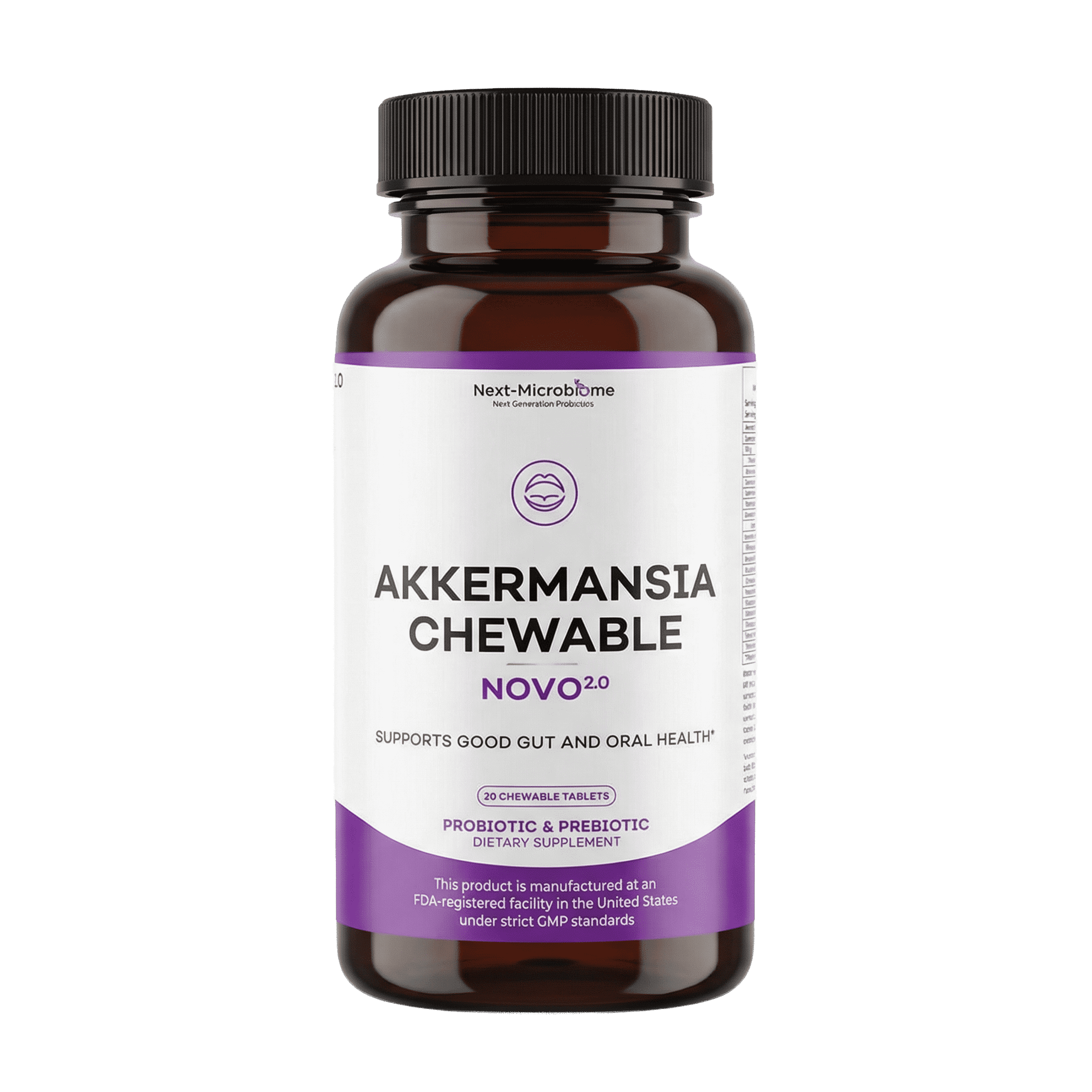
1. Akkermansia muciniphila
Supports gut barrier and intestinal lining health, reduces inflammation, and supports metabolic regulation, indirectly enhancing sleep quality.
Research on Akkermansia muciniphila has focused on gut lining health, inflammatory balance, and metabolic regulation, including pathways related to GLP-1 and microbiome signaling that may indirectly influence sleep quality through the gut-brain axis.
Reference: Everard et al., 2013
2. Clostridium butyricum
Produces butyrate, reducing inflammation and enhancing serotonin synthesis, directly improving sleep stability.
Reference: Liu et al., 2020
3. Lactobacillus plantarum
Reduces gut inflammation and modulates neurotransmitter balance, improving overall sleep quality.
Reference: Liu et al., 2016
4. Bifidobacterium longum
Lowers stress-induced cortisol, promoting relaxation and improved sleep patterns.
Reference: Pinto-Sanchez et al., 2017
5. Lactobacillus rhamnosus
Enhances GABA production, a calming neurotransmitter, significantly improving sleep onset and quality.
Reference: Bravo et al., 2011
6. Prebiotic Fibers (Inulin and FOS)
Support beneficial gut bacteria growth, enhancing serotonin synthesis and sleep quality.
Reference: Mika et al., 2017
7. Polyphenols
Act as antioxidants and microbiome modulators, supporting healthy melatonin production and reducing oxidative stress.
Reference: Esteban-Fernández et al., 2020
Using Boost Synergy for Optimal Results
When to Take: Daily before bedtime for optimal microbiome-brain interaction.
Consistency: Maintain daily use for at least 4–6 weeks for lasting microbiome improvements and sleep enhancement.
Those seeking a gut microbiome sleep aid with natural ingredients will benefit most from regular use.
Complementary Sleep Improvement Strategies
-
Adopt regular sleep patterns.
-
Reduce screen exposure before bedtime.
-
Include fiber-rich, polyphenol-rich foods in your diet.
-
Practice stress reduction techniques.
Conclusion: Restore Restful Nights with Microbiome-Focused Sleep Support
Boost Synergy probiotic formulation uniquely addresses the microbiome-sleep connection, offering significant benefits through targeted probiotic strains and supporting ingredients. By nurturing your microbiome, you can experience enhanced sleep quality, improved mood, and better daily performance.
Unlike traditional sleep aids that simply mask symptoms, Boost Synergy works at the root by restoring gut balance, reducing inflammation, and supporting the gut-brain axis. This is also why some readers interested in broader topics such as leaky gut and microbiome support become interested in microbiome-based sleep strategies.
For individuals seeking a natural probiotic sleep supplement that supports both digestive and emotional well-being, Boost Synergy is a smart, science-backed solution. It's ideal for anyone struggling with gut-related insomnia, poor sleep due to stress, or disrupted hormonal sleep cycles.
When paired with healthy lifestyle habits—such as a consistent sleep routine, a fiber- and polyphenol-rich diet, and reduced evening screen time—Boost Synergy can help reset your sleep patterns and restore nightly rejuvenation.
Ready to experience the benefits of microbiome-targeted probiotics for sleep support?
Discover Boost Synergy GLP-1 and take a natural step toward better sleep tonight.
FAQ:
1. Can poor sleep itself disrupt the gut microbiome?
Yes. The relationship between sleep and the gut microbiome appears to work in both directions. Cleveland Clinic explains that the gut microbiome has its own circadian rhythm, and not getting enough quality sleep can interfere with that internal clock and contribute to bacterial imbalance. Cleveland Clinic’s Sleep Disorder Center also notes that lower-quality or fragmented sleep has been linked to microbiome imbalance, while UCLA Health reports that sleep deprivation associated with shift work can contribute to gut dysfunction. This means sleep support is not only about helping the brain rest. It may also help protect the gut environment that influences digestion, inflammation, and overall resilience.
Scientific Reference:
https://health.clevelandclinic.org/how-to-improve-your-digestive-tract-naturally
https://my.clevelandclinic.org/podcasts/butts-and-guts/exploring-the-impact-of-sleep-on-digestive-health
https://www.uclahealth.org/news/article/5-long-term-health-effects-shift-work
2. When should sleep problems be checked by a doctor instead of self-treating with supplements?
Sleep problems should be checked by a doctor if they keep happening, affect daytime functioning, or raise concern for a true sleep disorder. Mayo Clinic advises seeing a healthcare professional if insomnia makes it hard to do daily activities, and it notes that some people may need referral to a sleep center for further evaluation. Mayo Clinic also says ongoing sleep problems may require a sleep specialist to identify the cause and best treatment. NHLBI adds that cognitive behavioral therapy for insomnia, or CBT-I, is usually the first treatment recommended for long-term insomnia. This makes it important not to rely only on supplements when poor sleep is persistent, severe, or interfering with normal life.
Scientific Reference:
https://www.mayoclinic.org/diseases-conditions/insomnia/symptoms-causes/syc-20355167
https://www.mayoclinic.org/diseases-conditions/insomnia/expert-answers/insomnia/faq-20057824
https://www.nhlbi.nih.gov/health/insomnia/treatment
Written by Ali Rıza Akın
Microbiome Scientist, Author & Founder of Next-Microbiome
Ali Rıza Akın is a microbiome scientist with nearly 30 years of experience in translational biotechnology, systems biology, and applied microbiome research, spanning discovery, preclinical development, and clinical-stage translation.
His work focuses on how microbial ecosystems interact with human physiology, including:
-
Gut barrier function and intestinal permeability
-
Mucus-associated microbiota (Akkermansia-related systems)
-
Oral–gut microbiome axis
-
Short-chain fatty acids (SCFAs) and metabolic signaling
-
Circadian rhythm–microbiome interactions
-
Clinical Research Contributions
He has contributed to multiple clinical-stage microbiome programs, supporting bacterial strain discovery, optimization, and formulation design across different therapeutic areas, including:
Active Ulcerative Colitis (Inflammatory Bowel Disease)
Hyperoxaluria (Oxalate Metabolism Disorder)
Microbiome-driven gut health and inflammatory conditions
These studies were part of broader clinical development programs evaluating microbiome-based approaches. His contributions focused on the early-stage scientific and translational pipeline, including strain discovery, functional optimization, and multi-strain formulation design.
Scientific Contributions:
Ali Rıza Akın is the discoverer of Christensenella californii, a bacterial species associated with microbiome diversity and metabolic health.
He is a contributing author to scientific publications and Bacterial Therapy of Cancer (Springer), and the author of Bakterin Kadar Yaşa: İçimizdeki Evren: Mikrobiyotamız.
Approach:
His work emphasizes evidence-based microbiome science, long-term safety, and a systems-based understanding of how microbes influence human health.
The content provided is for educational and informational purposes only and does not replace professional medical advice, diagnosis, or treatment.
How Alcohol Damages Gut Health and Why Akkermansia Can Help Restore It
What Is Akkermansia Chewable? Benefits, Ingredients, Safety, and How It Works
Related Posts

Ozempic Plateau? What Your Gut Microbiome May Be Telling You About Slower Weight Loss

Akkermansia vs Ozempic: How Gut Microbiome Support May Influence GLP-1 and Digestion

GLP-1 Side Effects: How to Ease Bloating, Constipation, and Gut Issues Naturally

Best Probiotic for Leaky Gut? Why Gut Barrier Support Differs From Digestive Probiotics

Can You Support Akkermansia Naturally, or Are Supplements Needed?

GLP-1 Not Working? How Your Gut Microbiome May Be Affecting GLP-1 Signaling

What Does Science Say About Akkermansia for Gut Health?
