


Coffee and Gut Health: Benefits, Risks, and How to Protect Your Microbiome
Coffee and Its Effect on Overall Gut Health
The Spring 2025 National Coffee Data Trends (NCDT) report by Dig Insights for the National Coffee Association (NCA) shows that 66% of American adults consume an average of three cups of coffee daily, accounting for 8% of the U.S. food service sector (NCA 2023). Specialty coffee consumption has risen 18% from 39% in 2020 to 46% in January 2025, while traditional coffee remains steady at 42%.
This growing popularity reflects interest in coffee’s benefits for human microbiome, gut health and overall wellness. Coffee’s antioxidants, like polyphenols, promote gut microbiome diversity, digestive health, and vitality, but excessive consumption may disrupt digestive balance.
Coffee exerts a profound influence on the gut microbes having significant implications for digestive health, immunity, healthy metabolism, and mental health. The antioxidant properties of coffee, primarily attributed to its polyphenolic compounds, underpin its role in supporting microbial vitality and overall wellness. These antioxidant effects position coffee as one of the best beverages for promoting gut microbiome diversity, a critical factor for maintaining digestive balance and fostering a healthy daily life. As scientific studies show, regular coffee consumption enhances microbial diversity, with coffee drinkers typically exhibiting richer gut microbiotas compared to non-drinkers. This diversity strengthens resistance to infections and metabolic disorders, contributing to gut health and overall wellness.
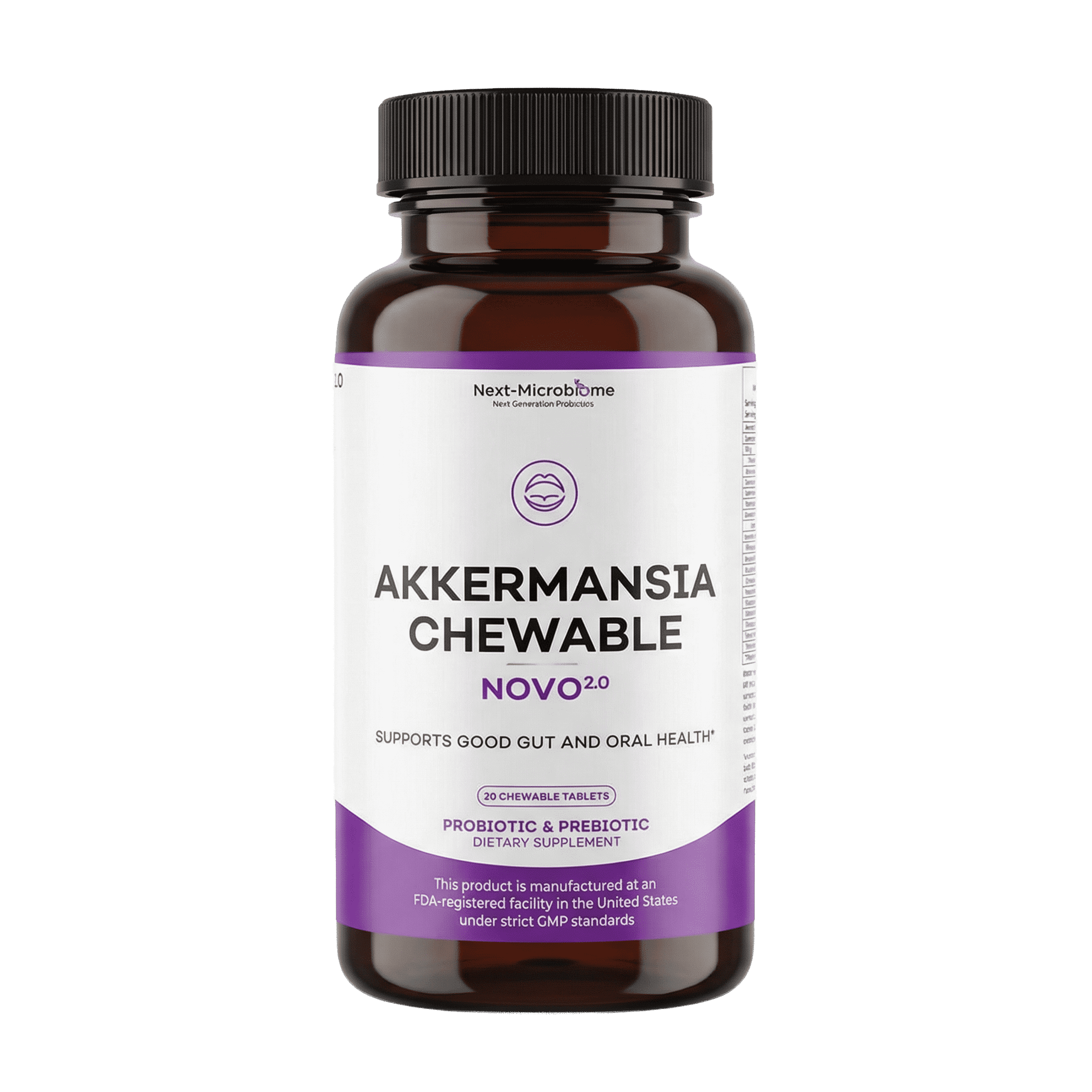
However, excessive coffee consumption may disrupt digestive balance and negatively impact gut health. To counteract these potential adverse effects, integrating advanced probiotics, such as Akkermansia Chewable form and synergistic blends like Boost Synergy GLP-1, can be highly beneficial since these probiotics enhance microbial diversity, reduce inflammation, and support gut barrier integrity, all of which are essential for optimal gut health.
Additionally, incorporating prebiotics alongside probiotics can further amplify these benefits by providing nourishment for beneficial gut microbes, promoting a healthy metabolism and sustained vitality. By balancing coffee consumption with targeted probiotic and prebiotic interventions, individuals can maximize the positive effects of coffee on the gut microbiome, supporting both digestive health and mental health for a thriving, healthy daily life.
In this article, the relation between coffee and the human microbiome will be analyzed on the basis of coffee’s chemical composition. Also, how coffee drinking habits shapes positive and negative impacts of coffee onto the human microbiome will be taken into account. Finally, there will be advice to boost positive impacts of coffee onto gut health and overall wellness, especially for those seeking to boost overall metabolism.
Coffee’s Chemical Composition and Microbiome Interaction
Coffee contains bioactive compounds such as caffeine, chlorogenic acids, polyphenols, diterpenes, and melanoidins. Each influences gut microbes uniquely, with polyphenols, especially chlorogenic acids, exerting potent antioxidant and anti-inflammatory effects beneficial to gut health. These coffee antioxidant effects may explain why many consider it the best coffee for microbiome support.
How Coffee Enhances Gut Microbial Diversity
Regular coffee drinking positively affects gut microbial diversity, vital for digestive health. Coffee drinkers generally have richer microbiotas than non-coffee drinkers, aiding resistance to infections and metabolic disorders. This diversity is crucial for maintaining digestive balance and overall wellness.
A case study from the American Journal of Gastroenterology (2019) highlights increased beneficial gut bacteria like Faecalibacterium and Roseburia, known for anti-inflammatory properties and production of beneficial short-chain fatty acids (SCFAs).
Health Benefits of Coffee for Your Gut
Promoting Beneficial Gut Bacteria
Coffee polyphenols support beneficial bacteria like Bifidobacteria and Lactobacilli, enhancing digestive and immune health. As another case study has shown thar coffee consumption notably increases Akkermansia muciniphila, linked to metabolic improvements and healthy weight management. For individuals seeking polyphenols and gut bacteria support, daily coffee can be a powerful dietary ally.
Boosting Short-chain Fatty Acids (SCFAs)
Coffee consumption elevates SCFAs, such as acetate, propionate, and butyrate, supporting gut barrier and intestinal lining health, reducing inflammation, and contributing to broader digestive resilience. Regular coffee drinkers exhibit higher fecal SCFA levels, promoting better overall metabolic health. To explore more about coffee and SCFAs, one could look at “Effect of coffee or coffee components on gut microbiome and short-chain fatty acids in a mouse model of metabolic syndrome.” The relationship between coffee and SCFA production also helps explain why GLP-1 and microbiome signaling are increasingly discussed together in metabolic health research.
Antioxidant and Anti-inflammatory Benefits
Coffee antioxidants like chlorogenic acids reduce inflammation and oxidative stress, protecting against digestive issues including inflammatory bowel disease (IBD) and colorectal cancer. These anti-inflammatory effects of coffee further support its role in gut health strategies for sensitive individuals.
Potential Negative Impacts of Coffee
Gastrointestinal Sensitivity
Coffee’s acidity may trigger symptoms like acid reflux or IBS in sensitive individuals, causing gastrointestinal discomfort. Choosing low acid coffee benefits individuals who still want to reap the digestive perks without irritation.
Risk of Dysbiosis
Excessive or overly acidic coffee can disrupt gut microbial balance, leading to dysbiosis, increased inflammation, and gut permeability issues. If the question is whether coffee causes gut imbalance or not, the answer will be absolutely it is with unmoderated consumption.
Maximizing Benefits Through Moderation and Preparation
Of course, the brewing method of coffee also impacts gut health and stomach sensitivity. For example, opting for black coffee without additives maximizes benefits, while cold-brewed coffee reduces acidity, benefiting those with sensitive stomachs due to lower acidity.For the healthiest coffee for gut health, cold brew is often the best choice for those managing IBS or reflux.
Enhancing Gut Health with Advanced Probiotics
To counteract coffee's potential negatives, integrating advanced probiotics such as Akkermansia Chewable and Boost Synergy GLP-1 is beneficial. These probiotics enhance microbial diversity, lower inflammation, and maintain gut barrier health, significantly promoting gut wellness. Those effects stem from Akkermansia muciniphila benefits. These are some of the best probiotics for coffee drinkers looking to maintain balance.
Frequently Asked Questions:
1. Does coffee improve gut bacteria?
Yes, moderate coffee intake promotes beneficial gut bacteria like Bifidobacteria and Akkermansia muciniphila, which makes it an ideal option for people asking, "Does coffee help digestion?"
2. Can coffee negatively affect gut health?
In some individuals, coffee may cause discomfort or dysbiosis, especially if consumed excessively or if highly acidic. So, is coffee bad for gut microbiome? Only when overused or combined with poor dietary habits.
3. How can probiotics help with coffee-related gut issues?
Probiotics like Akkermansia chewable and Boost Synergy enhance gut diversity, reduce inflammation, and mitigate coffee-related gut health concerns. These probiotics to balance coffee intake can be part of your daily wellness routine.
4. Does coffee affect the gut microbiome?
Research suggests coffee consumption may influence microbial diversity and increase certain beneficial bacterial populations.
5. Can coffee support digestion?
Coffee stimulates gastric acid and digestive processes, which may influence digestion in some individuals.
6. Does coffee affect gut bacteria like Akkermansia?
Some studies suggest coffee compounds and polyphenols may support beneficial microbial populations.
References:
-
Jaquet M et al., Food Research International, 2009
-
Cardona F et al., Journal of Nutritional Biochemistry, 2013
Conclusion: Optimizing Coffee Consumption for Gut Health
Moderate coffee drinking benefits gut health by enhancing microbial diversity, supporting beneficial bacteria, and boosting metabolic and immune functions. To achieve optimal gut health, enjoy coffee in moderation, choose low-acid preparations, and complement your diet with advanced probiotics like Akkermansia chewable and Boost Synergy GLP-1. Personalized approaches ensure a balanced microbiome and maximize the beneficial potential of coffee. If you're exploring coffee and microbiome health tips, learning how to drink coffee for gut health, or building a coffee and probiotics routine—this guide has you covered.
Written by Ali Rıza Akın
Microbiome Scientist, Author & Founder of Next-Microbiome
Ali Rıza Akın is a microbiome scientist with nearly 30 years of professional experience in biotechnology, translational research, and microbiome-driven health innovation, spanning academic research, Silicon Valley biotech, and applied product development.
His work focuses on the oral–gut axis, gut barrier integrity, microbial metabolite signaling (including short-chain fatty acids), mucosal immunity, and host–microbiome communication. A central theme of his research and educational writing is that delivery format, microbial ecology, and host signaling pathways shape the effectiveness of probiotics in real-world settings beyond CFU counts or marketing claims.
Ali Rıza Akın is the discoverer of Christensenella californii, a human-associated bacterial species linked to metabolic resilience and mucosal health. He is the author of Bakterin Kadar Yaşa: İçimizdeki Evren and a contributing author to Bacterial Therapy of Cancer (Springer, Methods in Molecular Biology).
As the founder of Next-Microbiome, he bridges fundamental microbiome science and practical application, emphasizing evidence-based probiotic strategies that prioritize oral–gut signaling, gut barrier resilience, and host response over claims about isolated strains.
All content is provided for educational purposes only and does not replace personalized medical advice. Readers should consult qualified healthcare professionals for individual health decisions.
Oxidative Stress Hurting Your Gut? How Akkermansia May Help Support Gut Barrier Health
How Can Akkermansia and GLP-1 Support Weight Management and Blood Sugar Balance?
Related Posts

Akkermansia vs Ozempic: How Gut Microbiome Support May Influence GLP-1 and Digestion

GLP-1 Side Effects: How to Ease Bloating, Constipation, and Gut Issues Naturally

Best Probiotic for Leaky Gut? Why Gut Barrier Support Differs From Digestive Probiotics

Can You Support Akkermansia Naturally, or Are Supplements Needed?

GLP-1 Not Working? How Your Gut Microbiome May Be Affecting GLP-1 Signaling

What Does Science Say About Akkermansia for Gut Health?

Low Akkermansia? 7 Signs Your Gut Barrier May Be Failing and What May Help Support It
