
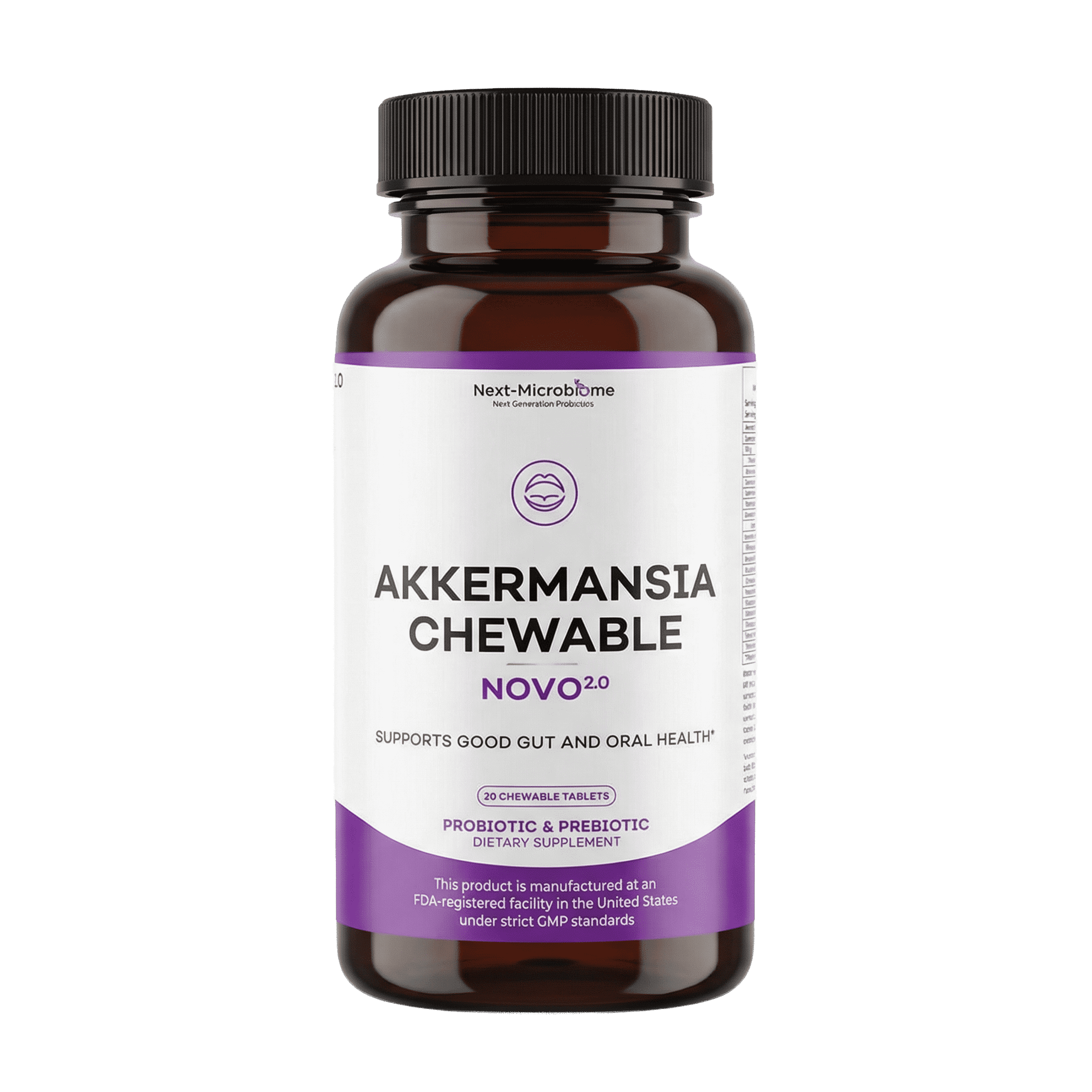


Gut Health Probiotics: Improve Digestion, Microbiome Balance, and Gut Wellness
Gut Health Probiotics: How They Improve Digestion, Microbiome Balance & Overall Gut Wellness
Probiotics have become one of the most widely used supplements for digestive health — and with good reason. High-quality gut health probiotics support microbiome balance, improve digestion, and strengthen gut barrier integrity. Today, search interest for “probiotics for gut health,” “digestive probiotics,” “probiotic supplements for gut health” is higher than ever.
Your gut microbiome affects everything: digestion, inflammation levels, metabolism, and even your immune system. And probiotic supplementation is now one of the most effective ways to restore and protect a healthy gut microbiota.
In that context, a metabolic support probiotic is best understood as a microbiome-supportive option that may complement digestive resilience, inflammatory balance, and broader metabolic regulation rather than act as a stand-alone solution.
But not all probiotics work the same way. Understanding how they function — and which strains support digestive wellness — can help you make the right choice for your gut.
Why Gut Health Probiotics Matter
Your gut contains trillions of microorganisms that influence digestion, nutrient absorption, energy production, and gut-brain signaling. When your microbiome becomes imbalanced — due to stress, antibiotics, low fiber diets, or processed foods — digestive discomfort begins to surface.
High-quality probiotics assist by:
-
Rebalancing the microbiota
-
Supporting gut lining integrity
-
Reducing bloating and gas
-
Improving bowel regularity
-
Strengthening immune response
-
Supporting digestive wellness
A 2019 review in Nutrients found that many probiotic supplements can ease common IBS symptoms like pain and bloating and may help rebalance gut bacteria.”
This is why probiotics have become a cornerstone of digestive health supplements.

How Probiotics Improve Digestive Health
Probiotics support digestion through several mechanisms:
1. Enhancing microbial diversity
A diverse gut biome = stronger digestion and lower inflammation.
2. Strengthening the gut barrier
Some strains reinforce tight junctions and support mucosal health, helping maintain gut barrier and intestinal lining health for long-term digestive comfort.
For readers comparing options, the best probiotic for gut lining is usually one that supports tight-junction stability, mucosal health, and long-term microbial balance rather than promising overnight digestive relief.
This is one reason readers exploring broader topics such as leaky gut and microbiome support often become interested in probiotics, Akkermansia, and mucosal-supportive microbiome strategies.
3. Producing beneficial metabolites
Many probiotics produce short-chain fatty acids that nourish gut cells.
4. Reducing gas, bloating & discomfort
Strains like Bifidobacterium BB-12 and B. breve have shown strong digestive benefits.
A 2022 study in Gut Microbes showed that a daily probiotic helped improve gut movement and reduce digestive inflammation.
Together, these effects make probiotics highly effective for improving digestive issues and supporting a healthy gut microbiota.
Akkermansia + Probiotics: The Synergy That Strengthens the Entire Microbiome
Discussion around Akkermansia muciniphila benefits often focuses on gut lining support, microbiome balance, and the conditions that help other beneficial strains function more effectively.
To learn more about why Akkermansia is foundational for gut strength, read:
"Akkermansia: The Key to Gut Health, Microbiome Balance & Digestive Wellness"
Together, probiotics + Akkermansia support:
-
gut barrier integrity
-
digestive comfort
-
microbiome balance
-
healthy inflammation levels
-
long-term gut resilience
This synergy helps explain why Akkermansia muciniphila science is increasingly discussed alongside high-quality probiotics and broader microbiome-supportive formulas.

Which Probiotic Strains Are Best for Gut Health?
The most effective probiotics for digestive wellness include:
Bifidobacterium BB-12
Supports regularity and reduces digestive discomfort.
Bifidobacterium adolescentis / breve / bifidum
Helps with digestion, gut lining health, and microbiota balance.
Lactobacillus strains
Support upper GI health, immune balance, and digestive comfort.
Clostridium butyricum
A 2020 clinical study showed that the butyrate-producing probiotic C. butyricum strengthens the gut lining and supports healthy inflammation patterns
Together, these strains support a stronger, healthier gut.
How to Choose the Right Daily Probiotic Supplement
When selecting a daily probiotic supplement, look for:
-
Multi-strain formulations
-
Prebiotic support (inulin, HMO 2’-FL, FOS)
-
Butyrate-producing strains
-
Akkermansia-supportive nutrients
-
Clean-label, high-quality probiotics
A well-formulated probiotic supplement can improve:
-
gut microbiome balance
-
intestinal health
-
microbiome development
-
stomach health
-
overall gut function
For an advanced microbiome-supporting formula, explore Boost Synergy GLP-1.

INTERNAL LINKS
FAQ:
1. What are gut health probiotics?
They are beneficial bacteria that support digestion, microbiome balance, and gut barrier health.
2. Can probiotics improve digestive issues?
Yes — many strains help reduce bloating, gas, irregularity, and digestive discomfort.
3. What is the best probiotic for gut health?
Multi-strain formulas containing Bifidobacterium + Lactobacillus species work best for overall gut support.
4. Should I take probiotics daily?
Daily probiotic supplementation helps maintain microbial balance and digestive wellness.
5. Do probiotics work with Akkermansia?
Yes — Akkermansia strengthens the gut lining, allowing probiotics to function more effectively.
6. What foods support probiotic function?
Prebiotic fibers (inulin, resistant starch), polyphenol-rich foods, and fermented foods enhance the benefits of probiotics.
7. Why is gut microbiome balance important?
A balanced microbiome supports digestion, immune function, and metabolic regulation.
8. What are probiotics?
Probiotics are live microorganisms studied for their role in supporting microbial balance.
9. How do probiotics influence digestion?
Certain strains may support digestive enzyme activity and gut comfort.
Written by Ali Rıza Akın
Microbiome Scientist, Author & Founder of Next-Microbiome
Ali Rıza Akın is a microbiome scientist with nearly 30 years of experience in translational biotechnology, systems biology, and applied microbiome research, spanning discovery, preclinical development, and clinical-stage translation.
His work focuses on how microbial ecosystems interact with human physiology, including:
-
Gut barrier function and intestinal permeability
-
Mucus-associated microbiota (Akkermansia-related systems)
-
Oral–gut microbiome axis
-
Short-chain fatty acids (SCFAs) and metabolic signaling
-
Circadian rhythm–microbiome interactions
-
Clinical Research Contributions
He has contributed to multiple clinical-stage microbiome programs, supporting bacterial strain discovery, optimization, and formulation design across different therapeutic areas, including:
Active Ulcerative Colitis (Inflammatory Bowel Disease)
Hyperoxaluria (Oxalate Metabolism Disorder)
Microbiome-driven gut health and inflammatory conditions
These studies were part of broader clinical development programs evaluating microbiome-based approaches. His contributions focused on the early-stage scientific and translational pipeline, including strain discovery, functional optimization, and multi-strain formulation design.
Scientific Contributions:
Ali Rıza Akın is the discoverer of Christensenella californii, a bacterial species associated with microbiome diversity and metabolic health.
He is a contributing author to scientific publications and Bacterial Therapy of Cancer (Springer), and the author of Bakterin Kadar Yaşa: İçimizdeki Evren: Mikrobiyotamız.
Approach:
His work emphasizes evidence-based microbiome science, long-term safety, and a systems-based understanding of how microbes influence human health.
The content provided is for educational and informational purposes only and does not replace professional medical advice, diagnosis, or treatment.
What Is Akkermansia and Why Does It Matter for Gut Health and Microbiome Balance?
Digestive Probiotics for Bloating, Gut Lining Support, and Better Digestion
Related Posts

Ozempic Plateau? What Your Gut Microbiome May Be Telling You About Slower Weight Loss

Akkermansia vs Ozempic: How Gut Microbiome Support May Influence GLP-1 and Digestion

GLP-1 Side Effects: How to Ease Bloating, Constipation, and Gut Issues Naturally

Best Probiotic for Leaky Gut? Why Gut Barrier Support Differs From Digestive Probiotics

Can You Support Akkermansia Naturally, or Are Supplements Needed?

GLP-1 Not Working? How Your Gut Microbiome May Be Affecting GLP-1 Signaling

What Does Science Say About Akkermansia for Gut Health?
