

Can Akkermansia Help Strengthen Gut Lining Health and Barrier Function Over Time?
Akkermansia & Gut Lining Health: Why This Next-Generation Microbe Matters
The gut lining is the body’s most important protective barrier — a living interface that regulates inflammation, digestion, immunity, and nutrient absorption.
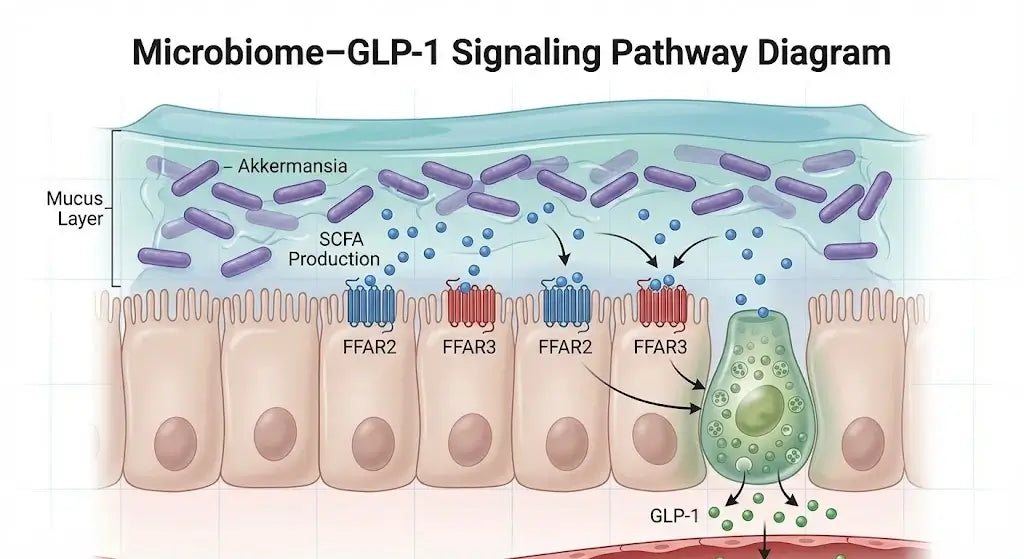
Akkermansia muciniphila science increasingly focuses on this bacterium’s relationship with mucin dynamics, gut barrier integrity, immune signaling, and metabolic stability.
Akkermansia’s impact spans:
-
mucin regeneration
-
gut barrier integrity
-
inflammatory control
-
microbial balance
-
immune regulation
-
metabolic stability
-
oral–gut microbial signaling
This article explains why Akkermansia is essential for gut lining strength, which nutrients support its function, and how the oral–gut axis enhances Akkermansia-friendly conditions.
For a broader foundation, this gut health microbiome guide can help readers understand how microbial balance, gut barrier function, inflammation, and metabolic signaling work together.
Anyone researching an Akkermansia muciniphila supplement should first understand why this bacterium is being studied in relation to gut lining health. Akkermansia is most relevant to mucus-layer support, gut barrier resilience, immune-microbiome communication, inflammatory balance, and long-term microbial stability rather than quick gut repair claims.
For an overview of Akkermansia and its foundational role in gut health, read:
Akkermansia: The Missing Microbe for Gut Health, Oral–Gut Balance & Digestive Strength
Frequently Asked Questions — Akkermansia & Gut Lining Integrity:
1. How does Akkermansia strengthen the gut lining?
By regenerating the mucin layer, tightening junctions, reducing permeability, and lowering inflammatory stress on epithelial cells.
2. Does low Akkermansia cause gut sensitivity?
Yes — low Akkermansia weakens the mucosal barrier, making the gut more reactive to food, stress, and microbial imbalance.
3. What nutrients help Akkermansia?
Polyphenols, HMOs (especially 2′-FL), prebiotic fibers, and SCFA-supportive microbes like Clostridium butyricum.
4. Can Akkermansia improve inflammation?
Yes — by reducing LPS leakage, supporting immune tolerance, and stabilizing mucosal signaling.
5. How does the oral microbiome affect the gut lining?
Oral bacteria influence upper-GI inflammation, salivary enzyme activation, mucosal immunity, and microbial migration downstream.
6. Are chewable supplements better for Akkermansia support?
Yes — they activate the oral–gut axis and improve mucosal communication before reaching the intestines.
7. Why is the mucin layer so crucial for gut health?
It protects epithelial cells, prevents pathogen adhesion, nourishes beneficial microbes, and regulates immune interactions.
8. How does Akkermansia support tight-junction repair?
It promotes mucosal metabolites and SCFA-mediated signaling that strengthen junction proteins and reduce permeability.
9. Can restoring Akkermansia reduce food sensitivities?
Yes — improved mucosal integrity reduces immune overactivation and digestive reactivity.
10. How does inflammation damage the gut lining?
Inflammatory cytokines weaken mucus structure, disrupt tight junctions, and accelerate epithelial turnover — conditions Akkermansia helps counteract.
11. Can Akkermansia improve motility and digestive comfort?
Yes — a more substantial mucosal barrier reduces irritation, stabilizes movement, and supports smoother digestion.
12. Does stress lower Akkermansia and damage the gut lining?
Yes — cortisol reduces mucin production and SCFA levels, weakening the barrier and increasing permeability.
This is also where stress and cravings may connect through gut-brain signaling, since stress can influence appetite patterns, microbial balance, and digestive resilience.
13. Can polyphenols directly improve mucosal health?
Yes — they reduce inflammation, promote antioxidant protection, and enrich Akkermansia-friendly microbial conditions.
14. How do SCFAs help repair the gut lining?
SCFAs, especially butyrate, fuel colonocytes, stimulate mucin production, reduce inflammation, and accelerate epithelial repair.
15. Does the oral–gut axis influence gut lining health more than people realize?
Absolutely — oral dysbiosis increases GI inflammation and microbial stress, while chewables optimize early mucosal cues.
16. Can Akkermansia help with leaky gut?
Yes — by reducing permeability, repairing tight junctions, and restoring mucin structure, it directly counters intestinal leakiness.
17. How fast can Akkermansia improve gut lining resilience?
Early improvements occur within 2–4 weeks, with deeper mucosal repair within 6–12 weeks.
18. Does low Akkermansia contribute to metabolic inflammation?
Yes — impaired mucosal integrity increases endotoxin leakage (LPS), driving systemic inflammation and metabolic instability.
This is why SCFAs and metabolic health are often discussed together, since SCFA activity helps connect gut barrier function, inflammation regulation, energy metabolism, and microbial signaling.
19. Can improving the oral microbiome strengthen the gut lining?
Yes — oral microbial balance reduces inflammatory load and enhances mucosal immune response along the entire GI tract.
20. What daily habits strengthen the gut lining and support Akkermansia?
Polyphenols, fiber diversity, fasting windows, reduced sugar, hydration, circadian alignment, stress regulation, and oral–gut synbiotics.
21. What should readers know about Akkermansia long-term safety?
For readers researching akkermansia long-term safety, the safest approach is to look at human evidence, product format, dose, personal health status, and whether someone is immunocompromised or under medical care. Akkermansia may be relevant for gut barrier and metabolic research, but people with complex health conditions should consult a qualified healthcare professional before starting any new probiotic.
For a full scientific roadmap to GLP-1, SCFAs, cravings, stress biology, and metabolic repair, explore the GLP-1 & Microbiome Hub.
Why the Gut Lining Matters
The gut barrier is composed of:
-
epithelial cells
-
tight-junction proteins
-
immune receptors
-
mucin layers (inner & outer)
When functioning well, the gut lining:
-
prevents inflammatory molecules from entering the bloodstream
-
regulates immune responses
-
stabilizes digestion
-
protects against pathogens
-
maintains metabolic balance
When weakened, people may experience:
-
bloating
-
food sensitivity
-
inflammation
-
irregular digestion
-
immune overreactivity
-
poor metabolic flexibility
Akkermansia is uniquely positioned to support this barrier.

For readers comparing options, the best probiotic for gut lining is usually one that supports mucin regeneration, tight-junction stability, microbial balance, and long-term barrier resilience rather than promising quick repair.

How Akkermansia Strengthens the Gut Lining
Research on Akkermansia muciniphila suggests that this bacterium plays an important role in the inner mucin layer, where it may help support barrier resilience, microbial balance, and mucosal signaling. Its benefits include:
1. Mucin Regeneration
It helps rebuild the mucin layer that protects intestinal cells.
2. Tight-Junction Support
Healthy tight junctions reduce permeability (“leaky gut”).
3. Inflammation Modulation
Akkermansia regulates immune signaling where bacteria meet the body.
4. Improved Metabolic Signaling
A healthy mucin layer enhances glucose stability and metabolic health.
A clinical review in Nutrients (2024) found that mucin-supportive bacteria and prebiotics improve gut barrier integrity and digestive symptoms:
For readers researching an Akkermansia probiotic, the key consideration is whether the approach supports the mucin layer, SCFA signaling, and oral-gut ecosystem balance rather than focusing on the strain name alone.
HMOs (2′-FL) Strengthen the Gut Barrier
Human Milk Oligosaccharides — especially 2′-Fucosyllactose (2′-FL) — support the growth of mucin-associated bacteria and improve mucosal immunity.
A review in The American Journal of Clinical Nutrition confirmed that HMOs enhance epithelial resilience and nourish beneficial mucosal microbes:
2′-FL creates a microbiome environment where Akkermansia thrives.
SCFA Support: The Role of Clostridium butyricum
Clostridium butyricum produces butyrate, a short-chain fatty acid essential for:
-
fueling colon cells
-
reducing intestinal inflammation
-
supporting mucin production
-
improving barrier integrity
For readers exploring how SCFAs support the microbiome, this connection matters because SCFAs help link microbial fermentation, epithelial energy, mucin production, and immune balance.
A 2021 microbiology review reported that C. butyricum enhances mucosal structure and reduces inflammation:
Together, Akkermansia + SCFA support create a robust mucosal environment.
Polyphenols: Natural Akkermansia Activators
Polyphenols — especially those from berries, cocoa, pomegranate, and green tea — increase Akkermansia abundance.
A 2024 MDPI study showed that polyphenols promote Akkermansia growth and mucin layer stability:
Dietary polyphenols are one of the strongest natural tools for strengthening the gut lining.

The Oral–Gut Microbiome Axis & Akkermansia
Akkermansia does not work alone — it depends on microbial signals that begin in the mouth.
Every day:
-
more than 1 billion oral bacteria migrate into the gut
-
salivary enzymes influence digestion
-
oral biofilms shape upper-GI inflammation
-
nitric oxide from the oral microbiota affects mucosal immunity
Supporting the oral microbiota is crucial for downstream Akkermansia stability.
Why chewable delivery matters
Chewable formulations activate in the oral cavity before reaching the intestines, promoting:
-
early microbial modulation
-
upper-GI comfort
-
reduced inflammation
-
stronger oral–gut signaling
-
improved Akkermansia colonization
Capsules cannot provide this advantage.
How to Support Akkermansia for Gut Lining Strength
The most effective ways include:
✔ Polyphenols
✔ HMOs (2′-FL)
✔ Prebiotics (inulin, FOS, resistant starch)
✔ SCFA-supportive probiotics
✔ Oral–gut axis activation (chewable format)
Readers comparing ingredient roles can also review the difference between prebiotics and probiotics to understand how prebiotic fibers feed beneficial microbes while probiotics provide targeted microbial support.
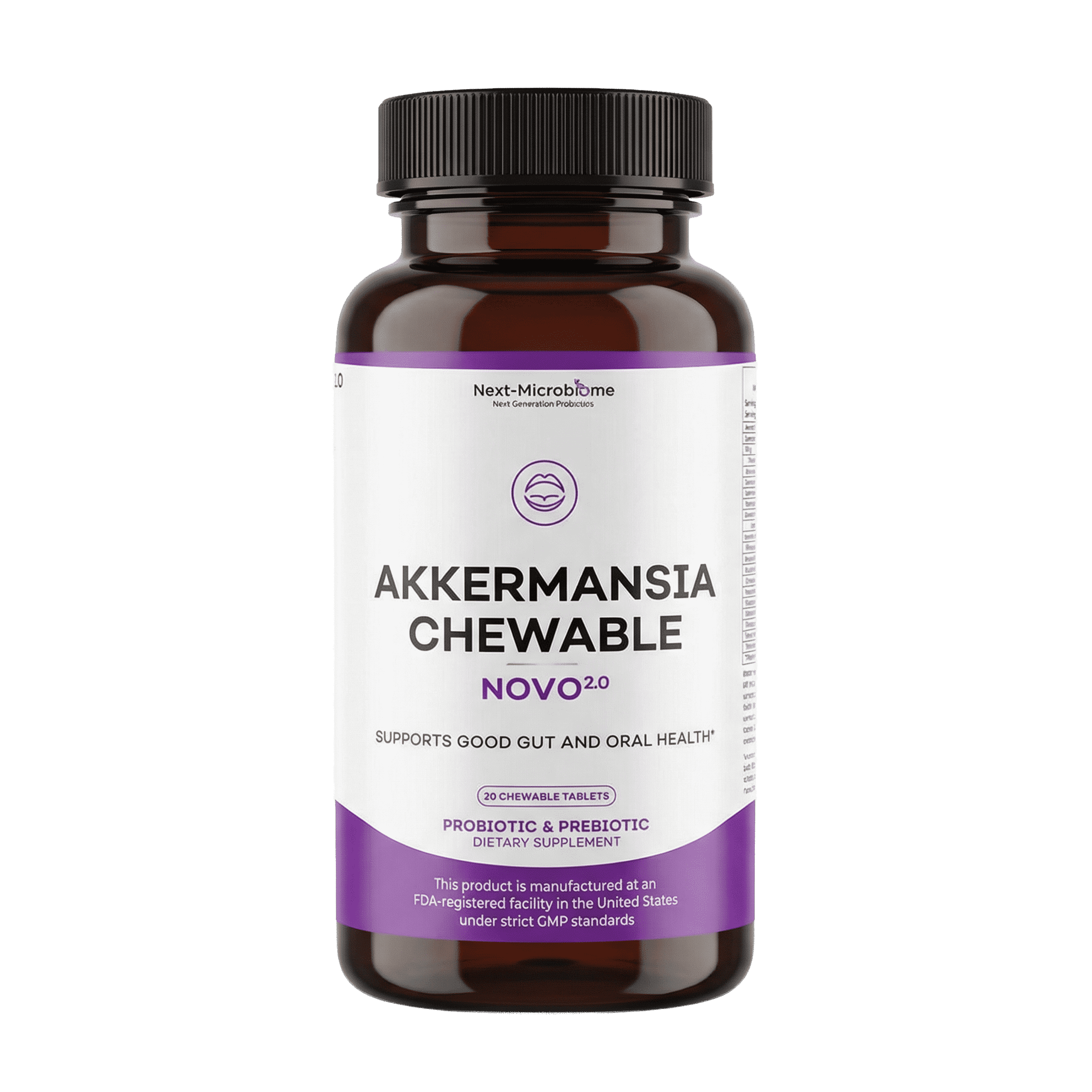
For a comprehensive approach supporting mucin regeneration, oral–gut balance, and Akkermansia growth, explore Akkermansia Chewable.

INTERNAL LINKS
-
Akkermansia: The Missing Microbe for Gut Health, Oral–Gut Balance & Digestive Strength
-
Low Akkermansia muciniphila: Causes, Symptoms & How to Restore It Naturally
-
How to Increase Akkermansia Naturally With Foods, Polyphenols, HMOs & Prebiotics
-
Buy Akkermansia: What to Know Before Choosing an Akkermansia Supplement
-
Akkermansia & Gut Lining Health: Why This Next-Generation Microbe Matters
Written by Ali Rıza Akın
Microbiome Scientist, Author & Founder of Next-Microbiome
Ali Rıza Akın is a microbiome scientist with nearly 30 years of experience in translational biotechnology, systems biology, and applied microbiome research, spanning discovery, preclinical development, and clinical-stage translation.
His work focuses on how microbial ecosystems interact with human physiology, including:
-
Gut barrier function and intestinal permeability
-
Mucus-associated microbiota (Akkermansia-related systems)
-
Oral–gut microbiome axis
-
Short-chain fatty acids (SCFAs) and metabolic signaling
-
Circadian rhythm–microbiome interactions
-
Clinical Research Contributions
He has contributed to multiple clinical-stage microbiome programs, supporting bacterial strain discovery, optimization, and formulation design across different therapeutic areas, including:
Active Ulcerative Colitis (Inflammatory Bowel Disease)
Hyperoxaluria (Oxalate Metabolism Disorder)
Microbiome-driven gut health and inflammatory conditions
These studies were part of broader clinical development programs evaluating microbiome-based approaches. His contributions focused on the early-stage scientific and translational pipeline, including strain discovery, functional optimization, and multi-strain formulation design.
Scientific Contributions:
Ali Rıza Akın is the discoverer of Christensenella californii, a bacterial species associated with microbiome diversity and metabolic health.
He is a contributing author to scientific publications and Bacterial Therapy of Cancer (Springer), and the author of Bakterin Kadar Yaşa: İçimizdeki Evren: Mikrobiyotamız.
Approach:
His work emphasizes evidence-based microbiome science, long-term safety, and a systems-based understanding of how microbes influence human health.
The content provided is for educational and informational purposes only and does not replace professional medical advice, diagnosis, or treatment.
What to Consider When Choosing an Effective Akkermansia Supplement
Low Akkermansia? Why Your Gut Lining May Be Breaking Down and How to Support It
Related Posts

Why Do You Wake Up at 3 A.M.? Gut, Cortisol and Blood Sugar

Can Gut Health Affect Sleep? How the Microbiome May Shape Rest and Recovery

Ozempic Plateau? What Your Gut Microbiome May Be Telling You About Slower Weight Loss

Akkermansia vs Ozempic: Why Gut Balance May Shape GLP-1, Digestion, and Results

GLP-1 Gut Side Effects: Why Bloating and Constipation Happen and What May Help

Best Probiotic for Leaky Gut? Why Gut Barrier Support Differs From Digestive Probiotics

Can You Support Akkermansia Naturally, or Are Supplements Needed?