


Reset Your Metabolism: How the Microbiome, SCFAs, and GLP-1 Work Together
Resetting Metabolism: Microbiome, SCFAs & GLP-1 Energy Balance
Most people believe metabolism slows because of age, genetics, or hormones.
But emerging research reveals a deeper truth:
Your gut microbiome is one of the most powerful regulators of metabolic health and the key to a true metabolic reset.
Through microbial metabolites such as short-chain fatty acids (SCFAs) and hormonal pathways like GLP-1, your microbiome shapes:
-
appetite
-
cravings
-
energy levels
-
insulin sensitivity
-
fat oxidation
-
inflammation
-
metabolic flexibility
This article explains how the microbiome controls metabolism and how to reset metabolic balance naturally by restoring microbial pathways.
If you missed earlier articles in this GLP-1 series:
GLP-1 Blog 1 — How the Microbiome Controls Appetite & Metabolism
GLP-1 Blog 2 — Natural GLP-1 Support: Fiber, SCFAs, Akkermansia
GLP-1 Blog 3 — Cortisol, Cravings & GLP-1: Why Stress Makes You Overeat
Frequently Asked Questions — Microbiome, SCFAs, GLP-1 & Metabolic Reset
1. Why does metabolism slow down?
Metabolism slows when microbial diversity decreases, SCFA levels drop, inflammation rises, and circadian metabolic rhythms become misaligned.
2. Can gut microbes influence fat burning?
Yes — SCFAs improve mitochondrial activity, enhance fat oxidation, and strengthen metabolic flexibility.
3. Does GLP-1 only regulate appetite?
No — GLP-1 also improves insulin sensitivity, glucose handling, fat metabolism, and overall energy balance.
4. Can gut repair reset metabolism?
Yes — strengthening mucosal integrity, restoring SCFAs, and improving microbial signaling can reset metabolic pathways from the inside out.
5. Does meal timing matter?
Yes — circadian-aligned eating improves insulin sensitivity, SCFA oscillation, fat oxidation, and GLP-1 responsiveness.
6. How do SCFAs increase metabolic flexibility?
They activate AMPK pathways, improve mitochondrial efficiency, reduce inflammation, and enhance the body’s ability to switch between burning fat and glucose.
7. Why does inflammation slow metabolism?
Inflammation blunts insulin signaling, disrupts GLP-1 sensitivity, increases cortisol, and impairs mitochondrial performance — all of which reduce metabolic rate.
8. Can Akkermansia support metabolic reset?
Yes — Akkermansia strengthens the gut barrier, reduces inflammation, improves GLP-1 sensitivity, and supports fat metabolism.
9. How does circadian rhythm affect metabolic speed?
Circadian timing regulates glucose tolerance, fat oxidation, hormone release, and SCFA production — misalignment leads to metabolic slowdown.
10. How do gut microbes regulate cravings and appetite?
Microbes influence dopamine, serotonin, GLP-1, PYY, and blood sugar stability, shaping hunger intensity and craving patterns.
11. Does fasting improve microbial metabolic pathways?
Yes — fasting increases Akkermansia, enhances SCFA cycles, improves insulin sensitivity, and supports mitochondrial repair.
12. Can stress freeze metabolism?
Yes — cortisol disrupts microbial balance, suppresses SCFAs, lowers GLP-1 signaling, and shifts metabolism toward fat storage.
13. Do probiotics help with metabolic balance?
SCFA-supportive strains and mucosal-restoring microbes improve insulin sensitivity, reduce inflammation, and support healthy metabolic signaling.
14. Can microbiome repair improve energy levels?
Yes — SCFAs fuel mitochondria, stabilize glucose, lower inflammation, and improve metabolic efficiency, leading to more stable energy.
15. How long does it take to reset metabolism via the microbiome?
Early shifts occur in 2–4 weeks, with full metabolic recalibration over 8–12 weeks depending on diet, stress, sleep, and microbiome diversity.
16. Do polyphenols contribute to metabolic reset?
Yes — polyphenols increase Akkermansia, reduce inflammation, and support SCFA production essential for metabolic repair.
17. How does meal timing improve GLP-1 sensitivity?
Eating earlier in the day enhances GLP-1 release, stabilizes blood sugar, and aligns microbial SCFA peaks with metabolic activity.
18. Can gut barrier repair impact metabolism?
Yes — a stronger gut barrier reduces endotoxins (LPS), lowers inflammation, and improves insulin and GLP-1 responsiveness. This is one reason broader conversations around leaky gut and microbiome support often overlap with metabolic health discussions.
19. Can metabolic slowdown be reversed regardless of age?
In many cases, yes — microbiome repair, circadian alignment, SCFAs, exercise, and targeted nutrients strongly influence metabolic plasticity.
20. What daily habits create long-term metabolic strength?
Fiber + polyphenols, fasting windows, reduced sugar, consistent sleep, exercise, stress control, and oral–gut synbiotics.
GLP-1 only works when the metabolic system beneath it is healthy. If your microbiome is unstable, SCFAs are low, or inflammation is high, GLP-1 signaling weakens. For a complete scientific roadmap to restoring natural GLP-1 biology, visit the GLP-1 & Microbiome Knowledge Hub.
1. Metabolism Runs on Microbial Signals, Not Just Calories
The gut microbiome generates molecules that communicate directly with metabolism.
The most important of these are short-chain fatty acids (SCFAs), especially butyrate and propionate.
SCFAs influence:
-
mitochondrial energy production
-
fat oxidation
-
insulin sensitivity
-
glucose metabolism
-
inflammation
-
appetite hormones (GLP-1, PYY)
When SCFA levels fall due to stress, low fiber, poor sleep, or dysbiosis, metabolism slows and energy becomes unstable.
In that context, GLP-1 microbiome support is best understood as a systems-based approach that may complement SCFA production, inflammatory balance, and broader metabolic flexibility rather than act as a stand-alone solution.
Reference — Canfora et al., Nature Reviews Endocrinology (2019)

2. GLP-1: A Metabolic Hormone, Not Only an Appetite Hormone
GLP-1 influences far more than hunger. It:
-
improves insulin sensitivity
-
stabilizes blood sugar
-
increases metabolic flexibility
-
reduces inflammation
-
enhances fat oxidation
-
regulates fed and fasting transitions
Microbial metabolites such as SCFAs stimulate GLP-1 release from intestinal L-cells. This is one of the clearest examples of GLP-1 and microbiome signaling, in which bile acids, mucosal integrity, and microbial metabolites work together to shape GLP-1 activity.
Reference — Tolhurst et al., Diabetes (2012)
Reference — Shah & Vella, Reviews in Endocrine and Metabolic Disorders (2014)

When SCFA-producing microbes decline, GLP-1 signaling weakens and metabolism slows.
3. Why Dieting Often Fails: The Microbiome Explanation
Restrictive dieting can lead to:
-
reduced microbial diversity
-
lower SCFA production
-
impaired GLP-1 and PYY signaling
-
unstable blood sugar
-
increased cravings
-
metabolic slowdown
-
weight regain
This is not a willpower issue. It is a biological reaction driven by disrupted microbial signals.
Reference — Thaiss et al., Nature (2016)

4. How to Reset Metabolism Using Microbiome + GLP-1 Pathways
Below is the evidence-based metabolic reset blueprint to naturally boost metabolism.
A. Increase SCFA Production
Boost SCFAs through:
-
resistant starch
-
legumes
-
oats, barley, whole grains
-
high-fiber vegetables
-
polyphenols such as berries, cocoa, pomegranate
-
prebiotics including inulin and GOS
High SCFAs support strong GLP-1 signaling and metabolic flexibility.
B. Strengthen Gut Barrier and Mucosal Signaling
A strong mucosal barrier supports gut barrier and intestinal lining health, reduces inflammation, improves GLP-1 sensitivity, and supports metabolic hormone communication.
Akkermansia muciniphila is a key mucosal-supporting species.
For readers comparing options, the best probiotic for gut lining is usually one that supports mucosal integrity, microbial diversity, and long-term barrier resilience rather than promising quick metabolic repair.
Why Akkermansia Matters
Akkermansia is often studied for its role in helping support the gut lining, helping support metabolism, and may also support weight balance through its effects on gut barrier function and metabolic signaling.
Reference — Akkermansia and metabolic function (PNAS, 2013)

C. Align Eating and Sleeping With Circadian Rhythm
Metabolism follows a daily cycle. To realign:
-
maintain a 10–12 hour daytime eating window
-
get morning sunlight
-
avoid eating late at night
-
keep consistent sleep timing
When circadian cues stabilize, SCFAs stabilize and GLP-1 improves.
D. Reduce Chronic Stress
Chronic stress:
-
reduces SCFA-producing microbes
-
disrupts appetite hormones
-
increases cravings
-
suppresses GLP-1
-
slows metabolic rate
Stress management is essential for metabolic restoration.
E. Support Microbial Diversity Long-Term
Daily practices include:
-
eating 30+ plant varieties per week
-
adding fermented foods
-
using synbiotics when helpful
-
reducing ultra-processed foods
-
avoiding unnecessary antibiotics
If your goal is gut-lining strength, inflammation control, or metabolic resilience, Akkermansia is the microbe to understand first. Explore our Akkermansia Microbiome Guide.
Optional Microbiome Support
Some individuals choose synbiotics formulated to support:
-
SCFA production
-
mucosal integrity
-
microbial diversity
-
GLP-1 pathway stability
Two options aligned with these pathways include:
Boost Synergy GLP-1
Supports SCFA pathways, GLP-1 physiology, and metabolic signaling.
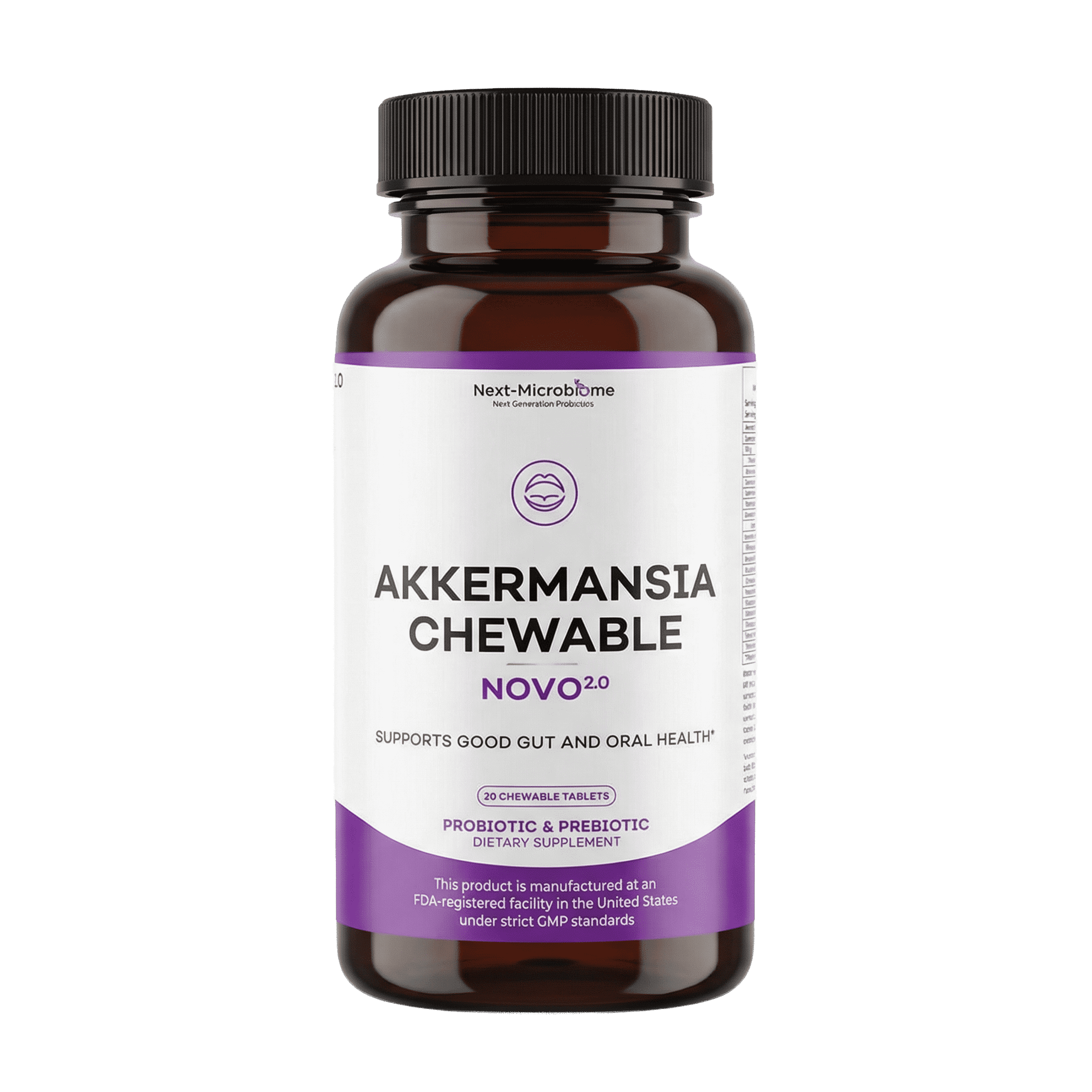
Akkermansia Chewable (Novo 2.0)
Supports mucosal integrity, microbial balance, and metabolic communication.

Internal Links
GLP-1 Blog 1 — How the Microbiome Controls Appetite & Metabolism
GLP-1 Blog 2 — Natural GLP-1 Support
GLP-1 Blog 3 — Cortisol, Cravings & GLP-1
Written by Ali Rıza Akın
Microbiome Scientist, Author & Founder of Next-Microbiome
Ali Rıza Akın is a microbiome scientist with nearly 30 years of experience in translational biotechnology, systems biology, and applied microbiome research, spanning discovery, preclinical development, and clinical-stage translation.
His work focuses on how microbial ecosystems interact with human physiology, including:
-
Gut barrier function and intestinal permeability
-
Mucus-associated microbiota (Akkermansia-related systems)
-
Oral–gut microbiome axis
-
Short-chain fatty acids (SCFAs) and metabolic signaling
-
Circadian rhythm–microbiome interactions
-
Clinical Research Contributions
He has contributed to multiple clinical-stage microbiome programs, supporting bacterial strain discovery, optimization, and formulation design across different therapeutic areas, including:
Active Ulcerative Colitis (Inflammatory Bowel Disease)
Hyperoxaluria (Oxalate Metabolism Disorder)
Microbiome-driven gut health and inflammatory conditions
These studies were part of broader clinical development programs evaluating microbiome-based approaches. His contributions focused on the early-stage scientific and translational pipeline, including strain discovery, functional optimization, and multi-strain formulation design.
Scientific Contributions:
Ali Rıza Akın is the discoverer of Christensenella californii, a bacterial species associated with microbiome diversity and metabolic health.
He is a contributing author to scientific publications and Bacterial Therapy of Cancer (Springer), and the author of Bakterin Kadar Yaşa: İçimizdeki Evren: Mikrobiyotamız.
Approach:
His work emphasizes evidence-based microbiome science, long-term safety, and a systems-based understanding of how microbes influence human health.
The content provided is for educational and informational purposes only and does not replace professional medical advice, diagnosis, or treatment.
Stress and Cortisol: Why Cravings Rise and GLP-1 Signaling Goes Off Track
Natural GLP-1 Support: Why Microbiome Repair Matters for Lasting Metabolic Health
Related Posts

Ozempic Plateau? What Your Gut Microbiome May Be Telling You About Slower Weight Loss

Akkermansia vs Ozempic: How Gut Microbiome Support May Influence GLP-1 and Digestion

GLP-1 Side Effects: How to Ease Bloating, Constipation, and Gut Issues Naturally

Best Probiotic for Leaky Gut? Why Gut Barrier Support Differs From Digestive Probiotics

Can You Support Akkermansia Naturally, or Are Supplements Needed?

GLP-1 Not Working? How Your Gut Microbiome May Be Affecting GLP-1 Signaling

What Does Science Say About Akkermansia for Gut Health?
