


Oral-Gut Axis: How the Mouth Shapes Digestion, Mucosal Immunity, and Gut Balance
The Oral-Gut Axis: How Oral Bacteria Influence Mucosal Immunity and Digestion
Most people think gut health begins in the intestines.
Biologically, it begins in the mouth — the origin point for digestion, mucosal immunity, inflammatory pathways, nitric oxide metabolism, and early metabolic signaling.
The oral microbiome is the first microbial ecosystem that food, supplements, and environmental inputs encounter. As shown in the Journal of Oral Biosciences (Wade, 2013), oral microbial communities orchestrate pH balance, immune readiness, nitric oxide production, mucosal communication, and the earliest stages of digestion.
This article explains why the oral microbiome and gut health connection is far deeper than most realize — and why restoring this upstream ecosystem is essential for digestive stability, mucosal integrity, microbial balance, and metabolic resilience.
Anyone comparing the best Akkermansia probiotic should first understand how Akkermansia fits into the oral-gut axis. Rather than choosing based on broad probiotic claims, it is better to evaluate whether the approach supports mucosal integrity, oral-gut microbial signaling, gut barrier resilience, SCFA-related pathways, and long-term microbiome balance.
To continue exploring this topic, see this complete science hub:
Oral–Gut Microbiome: Complete Science Hub
Frequently Asked Questions About the Oral Microbiome
1. What is the oral microbiome?
A structured ecosystem of 700+ microbial species living on the tongue, gums, palate, cheeks, tonsils, and teeth — all of which influence digestion, immunity, nitric oxide pathways, and downstream microbiota.
2. How does the oral microbiome affect gut health?
Oral bacteria, enzymes, and metabolites travel downstream, regulating pH, mucosal signaling, immune tone, and upper-GI colonization (Schmidt et al., 2019).
3. Can oral dysbiosis cause digestive symptoms?
Yes — it increases inflammatory load, disrupts mucosal immunity, stresses the gut barrier, and can alter microbial composition in the stomach and intestines.
4. Does the oral microbiome affect metabolism?
Yes — taste receptors, nitrate-reducing bacteria, cephalic-phase insulin signaling, and vagal pathways all begin in the mouth.
5. Why are chewable probiotics relevant?
Chewables directly influence the oral ecosystem first, activating oral–gut signaling and shaping downstream microbiota in ways capsules cannot.
6. How does saliva influence oral–gut microbial communication?
Saliva carries enzymes, antibodies (IgA), nitrate-reducing bacteria, and bioactive metabolites that shape pH, immune tone, and microbial attachment in the upper GI tract.
7. How does oral inflammation influence the gut barrier?
Inflammation in the gums increases systemic cytokines, weakens tight junctions, and increases intestinal permeability, raising the inflammatory “load” the gut must handle.
8. Can poor oral health reduce Akkermansia levels?
Yes — oral dysbiosis increases mucosal stress and inflammatory metabolites that weaken the gut barrier, creating conditions where Akkermansia often declines.
9. How do nitrate-reducing bacteria affect metabolic health?
These bacteria convert dietary nitrates into nitric oxide, improving blood flow, mitochondrial efficiency, metabolic flexibility, and exercise performance.
10. Does mouth breathing impact the oral microbiome?
Yes — mouth breathing dries the oral cavity, lowers pH, reduces saliva flow, and promotes dysbiosis that can influence downstream digestive stability.
11. Can oral microbes alter taste-driven appetite signaling?
Yes — oral bacteria interact with taste receptors that influence cephalic-phase insulin release, reward pathways, and early appetite cues.
12. How does the oral microbiome shape immune readiness?
The mouth is the first mucosal surface exposed to pathogens; its microbes regulate IgA secretion, mucosal barrier tone, and systemic immune alertness.
13. Can oral probiotics help reduce halitosis or oral inflammation?
Certain strains improve oral pH, reduce volatile sulfur compounds, and lower gum inflammation, indirectly benefiting gut microbial balance.
14. Does oral dysbiosis affect the vagus nerve?
Indirectly, yes — inflammatory molecules from the oral cavity influence gut inflammation, which then alters vagal signaling to the brain.
15. What role does the oral microbiome play in SCFA networks?
Oral bacteria help initiate carbohydrate breakdown, priming downstream microbes to produce SCFAs that regulate inflammation and gut barrier function.
16. How quickly can the oral microbiome change?
Within 24–72 hours, depending on diet, oral hygiene, stress, and microbial exposure.
17. Can dental products affect the oral microbiome?
Yes — antimicrobial mouthwashes, alcohol-based rinses, and whitening agents can reduce beneficial species and negatively shift the oral–gut axis.
18. How does the oral microbiome influence GLP-1 and metabolic hormones?
Taste receptor activation and cephalic-phase responses modulate GLP-1 release, insulin priming, and vagal satiety signaling.
19. Are oral microbiome changes linked to systemic inflammation?
Yes, oral dysbiosis can elevate inflammatory markers that affect cardiovascular health, metabolism, gut barrier integrity, and broader conversations around gut health and longevity.
20. What daily habits strengthen the oral microbiome?
Gentle brushing, tongue cleaning, hydration, reduced sugar, polyphenol-rich foods, avoiding harsh mouthwash, and using chewable probiotics like Akkermansia Chewable for upstream support.
Reduced Akkermansia is among the most consistent microbial patterns associated with inflammation, metabolic dysfunction, and gut-barrier weakness. For a complete, science-based guide to restoring this keystone microbe, explore the Akkermansia Microbiome Guide.
1. The Structure and Function of the Oral Microbiome
The oral cavity contains the second most diverse microbiome in the human body.
As described in Journal of Oral Biosciences (Wade, 2013), microbes form biofilms across:
• the tongue
• gumline and periodontal pockets
• dental surfaces
• the palate
• tonsillar crypts
These microbial communities regulate:
• salivary pH
• early food breakdown
• mucosal immunity
• nitric oxide production
• cephalic-phase digestive signals
• inflammatory response pathways

2. Mouth → Gut: The Microbial Highway
Humans swallow 1–2 liters of saliva daily, containing billions of bacteria.
These microbial passengers travel directly into the esophagus, stomach, and small intestine — forming the oral–gut axis.
According to Nature Microbiology (Schmidt et al., 2019), oral bacteria can:
• colonize upper-GI mucosa
• interact with gastric microbes
• affect small-intestinal communities
• alter large-intestinal microbial balance under dysbiosis
This explains why oral–gut axis dysfunction frequently coexists with digestive issues.
To continue exploring this topic, see this complete science hub:
Oral–Gut Microbiome: Complete Science Hub
3. Oral Dysbiosis as a Driver of Gut Inflammation
When harmful oral species overgrow — triggered by mouth breathing, sugar intake, chronic stress, medications, or low saliva flow — inflammation rises.
As shown in Cell Host & Microbe (Willis & Gabaldón, 2020), pathogenic oral bacteria generate:
• LPS
• proteases
• sulfur compounds
• inflammatory cytokines
These molecules can be swallowed or absorbed, contributing to:
• increased gut permeability
• weakened mucosal barrier
• reduced Akkermansia abundance
• impaired SCFA production
• systemic metabolic inflammation
This is why individuals with oral inflammation often experience digestive sensitivity, bloating, or metabolic fluctuations.
For readers comparing options, the best probiotic for gut lining is usually one that supports oral-gut signaling, mucosal barrier resilience, SCFA production, and long-term microbial balance rather than promising quick digestive repair.

4. Oral Microbiome → Metabolic Signaling
Metabolism begins in the mouth through:
• taste receptors
• nutrient sensors
• vagal nerve endings
• nitric oxide pathways
• cephalic-phase hormone responses
As demonstrated in Gastroenterology (Yamada et al., 2018), oral signals initiate:
• cephalic-phase insulin
• early GLP-1 release
• appetite regulation
• digestive enzyme production
• vagus-nerve messaging
This is where GLP-1 microbiome science becomes especially relevant, because oral microbial signaling, taste-receptor activation, and cephalic-phase responses help shape early appetite regulation and downstream metabolic control.
In this context, GLP-1 microbiome support is best understood as a systems-based approach that connects oral microbial balance, early appetite signaling, gut barrier stability, and long-term metabolic resilience.
For readers exploring natural GLP-1 support, this topic is best understood through oral microbial balance, taste-receptor activation, cephalic-phase responses, gut barrier stability, and broader metabolic signaling.

5. Supporting the Oral Microbiome
A. Increase salivary flow
Hydration, nasal breathing, chewing fibrous plants, and reducing mouth breathing during sleep.
For readers trying to reset sleep cycle patterns, nasal breathing and reduced mouth breathing may also support oral moisture, saliva flow, and a healthier oral microbiome environment.
B. Reduce oral inflammation
Manage stress, sugar intake, sleep quality, and overall microbial hygiene.
C. Feed upstream microbes with polyphenols
Green tea, cacao, berries, pomegranate, and colorful plants.
For readers exploring food-based GLP-1 strategies, polyphenol-rich foods, nitrate-rich plants, and fiber diversity may help support oral-gut signaling, microbial balance, and metabolic communication.
D. Use chewable microbiome formulations
Chewables interact with oral surfaces directly — activating oral–gut microbial signaling before reaching the intestines.
References
-
Wade WG. (2013). The oral microbiome in health and disease. Journal of Oral Biosciences.
-
Ki SY & Jeong YT. (2022). Taste receptors beyond taste buds. International Journal of Molecular Sciences, 23(17):9677.
Related Content
• The Oral–Gut Axis: How Your Mouth Shapes Digestion, Immunity & Inflammation
• How the Microbiome Controls Appetite & Metabolism
Recommended Product
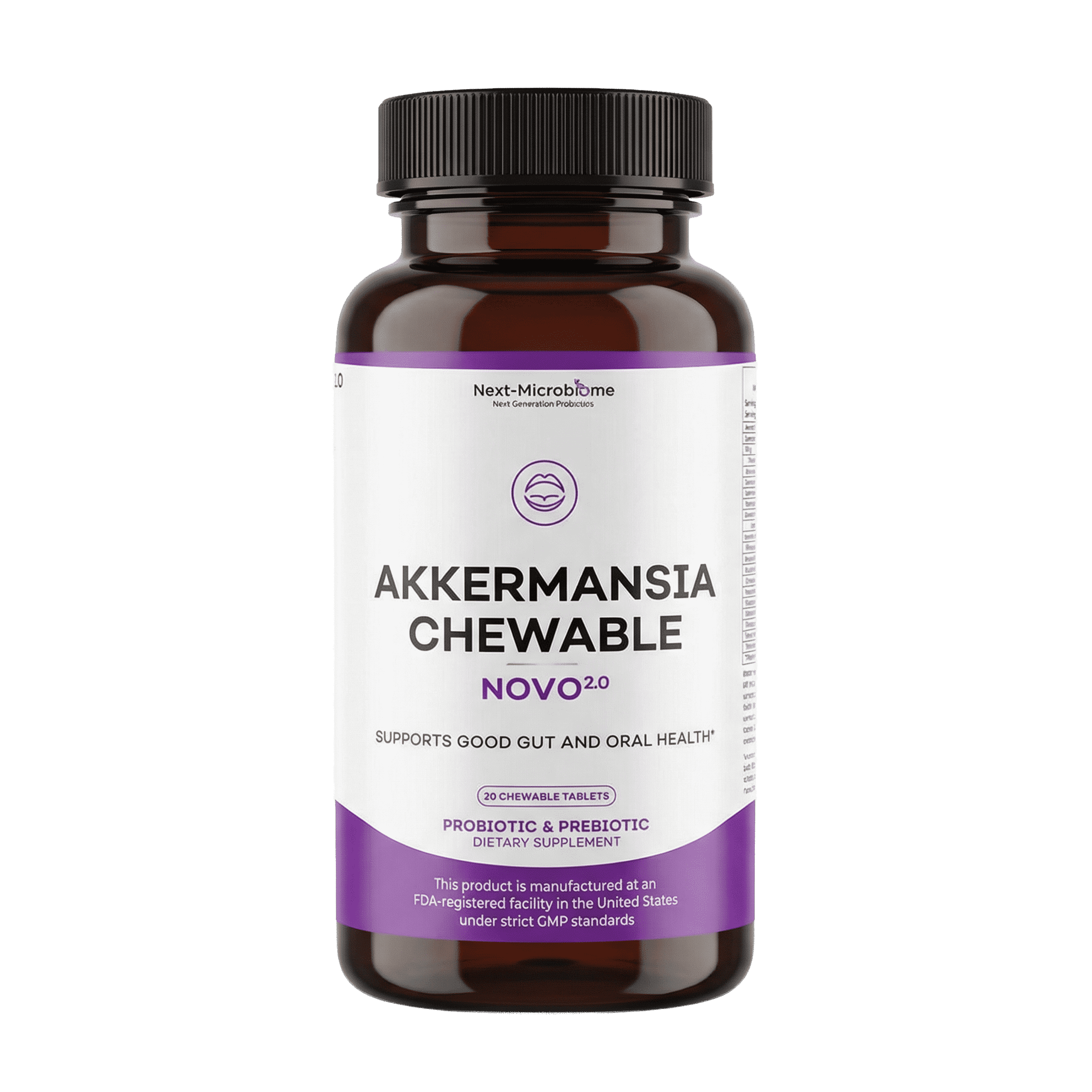
Akkermansia Chewable — Probiome NOVO 2.0
Supports oral–gut signalling, mucosal integrity, and metabolic pathways.
For readers researching a GLP-1 probiotic supplement, the recommended page below provides broader context on how GLP-1 and the microbiome may interact through appetite regulation, blood sugar balance, Akkermansia, and metabolic signaling.

Recommended Page
Unlock the gut-hormone secret to metabolic health: Discover how GLP-1 and your microbiome — including powerhouse microbes like Akkermansia — team up to regulate appetite, balance blood sugar, and support weight and liver health:
"How GLP-1 and the Gut Microbiome Support Metabolism and Weight Management"
Written by Ali Rıza Akın
Microbiome Scientist, Author & Founder of Next-Microbiome
Ali Rıza Akın is a microbiome scientist with nearly 30 years of experience in translational biotechnology, systems biology, and applied microbiome research, spanning discovery, preclinical development, and clinical-stage translation.
His work focuses on how microbial ecosystems interact with human physiology, including:
-
Gut barrier function and intestinal permeability
-
Mucus-associated microbiota (Akkermansia-related systems)
-
Oral–gut microbiome axis
-
Short-chain fatty acids (SCFAs) and metabolic signaling
-
Circadian rhythm–microbiome interactions
-
Clinical Research Contributions
He has contributed to multiple clinical-stage microbiome programs, supporting bacterial strain discovery, optimization, and formulation design across different therapeutic areas, including:
Active Ulcerative Colitis (Inflammatory Bowel Disease)
Hyperoxaluria (Oxalate Metabolism Disorder)
Microbiome-driven gut health and inflammatory conditions
These studies were part of broader clinical development programs evaluating microbiome-based approaches. His contributions focused on the early-stage scientific and translational pipeline, including strain discovery, functional optimization, and multi-strain formulation design.
Scientific Contributions:
Ali Rıza Akın is the discoverer of Christensenella californii, a bacterial species associated with microbiome diversity and metabolic health.
He is a contributing author to scientific publications and Bacterial Therapy of Cancer (Springer), and the author of Bakterin Kadar Yaşa: İçimizdeki Evren: Mikrobiyotamız.
Approach:
His work emphasizes evidence-based microbiome science, long-term safety, and a systems-based understanding of how microbes influence human health.
The content provided is for educational and informational purposes only and does not replace professional medical advice, diagnosis, or treatment.
Natural GLP-1 Support: Why Microbiome Repair Matters for Lasting Metabolic Health
How Do Mouth Microbes Affect Gut Health and Digestion?
Related Posts

Why Do You Wake Up at 3 A.M.? Gut, Cortisol, Blood Sugar, and Sleep Recovery

Can Gut Health Affect Sleep? How the Microbiome May Shape Rest and Recovery

Ozempic Plateau? What Your Gut Microbiome May Be Telling You About Slower Weight Loss

Akkermansia vs Ozempic: How Gut Microbiome Support May Influence GLP-1 and Digestion

GLP-1 Side Effects: How to Ease Bloating, Constipation, and Gut Issues Naturally

Best Probiotic for Leaky Gut? Why Gut Barrier Support Differs From Digestive Probiotics

Can You Support Akkermansia Naturally, or Are Supplements Needed?
