


Microbiome Development: How Early Life and Adulthood Shape Lifelong Health
Microbiome Development From Birth to Adulthood: How Early Life Shapes Lifetime Health
The human microbiome is not something we’re simply born with — it develops over time through a series of critical stages. From birth to age three, the microbiome undergoes rapid, influential changes that shape immunity, digestion, metabolic resilience, and even lifelong disease risk.
As we move through childhood, adulthood, and aging, the microbiome continues to evolve in response to diet, environment, stress, medication, and lifestyle.
If you haven’t explored the foundational articles in this cluster, start here:
What Is the Human Microbiome? A Complete Guide to Microbes, Immunity & Digestion
Oral Microbiota & Gut Health: How the Mouth Shapes the Entire Microbiome
The Gut–Brain Axis: How Microbes Influence Mood, Stress & Appetite
Now let’s explore how your microbiome develops — and why early life is the most critical window of all.
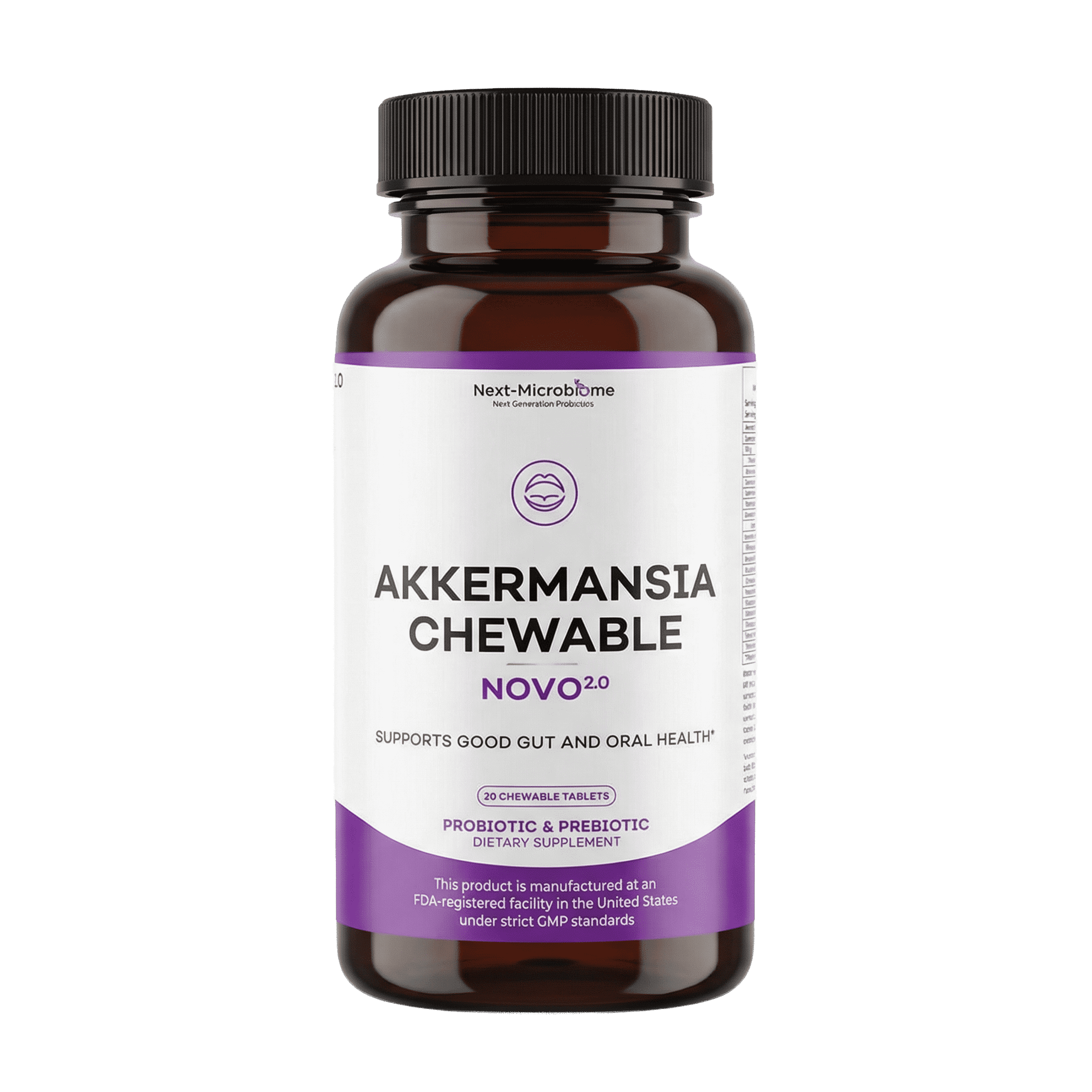
Anyone researching an Akkermansia muciniphila supplement should first understand how Akkermansia fits into microbiome development across different life stages. This bacterium is most relevant in discussions of mucus-layer support, gut barrier resilience, inflammatory balance, and long-term microbial stability rather than as a universal supplement for every age group.
Frequently Asked Questions — Microbiome Development From Birth Through Adulthood
1. When does the microbiome begin developing?
At birth — within seconds of delivery, microbial colonization begins and rapidly shapes lifelong immunity and metabolic resilience.
2. Can early-life microbiome disruption affect adulthood?
Yes — early dysbiosis increases risks for allergies, metabolic issues, inflammation, and immune imbalances later in life.
3. Do oral microbes affect early microbiome development?
Absolutely — infants swallow oral bacteria constantly, and these species seed the early gut microbiome and shape mucosal immunity.
4. What foods support microbiome development?
Polyphenols, fiber-rich foods, fermented foods, breast milk oligosaccharides, and diverse plant-based meals.
5. What weakens childhood or adult microbiomes?
Frequent antibiotics, ultra-processed foods, poor sleep, high stress, low fiber diets, environmental toxins, and a sedentary lifestyle.
6. Can the microbiome still be improved in adulthood?
Yes — the microbiome remains highly adaptable and responds quickly to dietary changes, probiotics, synbiotics, and lifestyle improvements.
7. How does birth method (vaginal vs C-section) influence microbial development?
Vaginal birth transfers maternal microbes that seed immunity, while C-section delivery often delays colonization and lowers early microbial diversity.
8. How does breastfeeding shape the infant microbiome?
Breast milk contains HMOs (human milk oligosaccharides) that feed Bifidobacteria, strengthen the mucosal barrier, and promote SCFA maturation.
9. When does Akkermansia begin to appear in children?
Akkermansia levels gradually rise as the mucin layer forms, usually becoming more abundant during early childhood.
10. Why is the first 1,000 days of life so important for microbiome development?
This window establishes immune programming, metabolic set points, inflammatory tone, and long-term microbial diversity.
11. How do antibiotics during childhood affect long-term health?
They reduce microbial diversity, weaken immune training, slow SCFA development, and increase risks of allergies, obesity, and inflammation.
12. What changes during the teenage microbiome shift?
Hormones reshape microbial composition, alter immune signaling, and increase sensitivity to diet, stress, and lifestyle choices.
13. How does the microbiome evolve in adulthood?
It stabilizes but remains responsive — diet, stress, alcohol, sleep, and probiotics strongly influence microbial balance.
14. What happens to the microbiome during aging?
Diversity often decreases, inflammation increases, and beneficial species like Akkermansia and SCFA producers may decline, weakening immunity and metabolism.
15. Can diet diversity during childhood improve lifelong microbiome health?
Yes — exposure to many plant foods builds a resilient, diverse microbiome that protects against inflammation and chronic disease.
16. Do environmental microbes influence early-life microbiome?
Yes — outdoor play, soil bacteria, pets, and natural environments increase microbial exposure and enhance immune tolerance.
17. How does stress affect microbiome development at different ages?
Stress disrupts the gut–brain axis, reduces SCFAs, and alters cortisol rhythms — with different consequences for infants, children, teens, and adults.
18. Is it possible to reverse early-life microbiome damage later in life?
Often yes — through fiber-rich diets, polyphenols, probiotics like Akkermansia, lifestyle changes, and reduced inflammation.
19. Why does processed food harm the microbiome across all ages?
It lacks prebiotics, elevates inflammation, disrupts circadian rhythms, and weakens mucosal integrity — damaging microbiome development at every stage.
20. What daily habits best support microbiome health from birth through adulthood?
A diverse diet, regular sleep, outdoor movement, reduced sugar, fiber-rich meals, stress management, and consistent microbiome-supportive nutrition.
If your goal is gut-lining strength, inflammation control, or metabolic resilience, Akkermansia is the bacteria to understand first. Explore our Akkermansia Microbiome Guide.
The Microbiome at Birth: The First Colonization Event
The moment we are born, our bodies begin acquiring microbes.
A landmark open-access review describes how infant microbiota development shapes lifelong immunity:
The Role of Microbiota in Infant Health — Yao et al., 2021
Key determinants at birth include:
✔ Mode of delivery
-
Vaginal birth: Highest microbial diversity; exposure to maternal microbes
-
C-section: Delayed colonization; greater risk of dysbiosis
✔ Early feeding
-
Breastfeeding: Rich in HMOs (especially 2'-FL) → feeds beneficial microbes
-
Formula: Different microbial pathways; often less diversity
✔ Environment
-
Skin-to-skin contact
-
Household microbial exposure
-
Pets, siblings, surfaces
Birth is the first major seeding of microbial identity.

The Microbiome in Early Childhood: Ages 0–3
This period is the most critical window for microbiome programming.
During this time:
-
Microbial diversity expands
-
Immune tolerance develops
-
Oral–gut axis becomes established
-
The gut lining matures
-
Mucin production stabilizes
-
SCFA pathways activate
Infants exposed to diverse microbes develop stronger immune systems and lower inflammation later in life.
Disruptions — such as antibiotics, stress, lack of polyphenols, or poor diet — may lead to:
-
allergies
-
eczema
-
asthma
-
food sensitivities
-
digestive issues
-
metabolic problems later on
These are also some of the patterns readers may be thinking about when they explore broader topics such as leaky gut and microbiome support across early development.
The Oral–Gut Axis in Infancy
The mouth is the gateway to the infant microbiome.
Oral bacteria strongly shape early microbial colonization because infants:
-
explore objects orally
-
transfer microbes to the gut through saliva
-
receive microbial exposures through breastfeeding
-
share oral microbes with caregivers
Oral–Gut Microbiome Interaction — Frontiers (2021)
Supporting oral microbial health early on helps stabilize gut colonization patterns and reflects the broader oral microbiome gut health connection that continues across the lifespan.
The Microbiome in Childhood
Childhood dietary and environmental exposures determine microbial “training.”
Key influences:
-
fiber intake
-
exposure to natural environments
-
early socialization
-
sleep
-
stress levels
-
antibiotic usage
-
family diet
Children with high microbial diversity generally have:
-
stronger immunity
-
lower inflammation
-
better digestion
-
healthier metabolic patterns
The childhood microbiome sets the stage for lifelong resilience.
For parents researching children’s gut health, this stage is especially important because diet diversity, outdoor exposure, sleep, stress, and antibiotic history can shape microbial resilience well into adulthood.

The Microbiome in Adolescence & Early Adulthood
During adolescence:
-
Hormonal shifts change microbial composition
-
Stress begins to influence gut–brain pathways
-
Food choices shape inflammation
-
Oral microbiota becomes more stable
-
Gut barrier and intestinal lining health can strengthen or become compromised.
For readers comparing options, the best probiotic for gut lining is usually one that supports mucosal resilience, SCFA production, and long-term microbial balance rather than promising permanent microbiome change on its own.
By adulthood, the microbiome becomes relatively stable, though still modifiable.
Factors that strengthen the adult microbiome:
-
high-fiber, plant-rich diets
-
polyphenols (berries, cocoa, pomegranate)
-
SCFA-supportive probiotics
-
HMOs (2’-FL) for mucosal health
-
sleep & stress balance
-
supporting the oral–gut axis (chewable formats)
Polyphenols & Microbiota — Wang et al., 2022
The Microbiome in Aging
As we age:
-
Microbial diversity declines
-
SCFA production decreases
-
Inflammation increases
-
Gut-lining integrity weakens
-
Immune function declines
-
Oral dysbiosis becomes more common
Supporting the microbiome becomes essential for metabolic health, brain health, immune protection, inflammation reduction, and broader questions related to the oral–gut axis and longevity.
In that context, a metabolic support probiotic is best understood as a microbiome-supportive option that may complement SCFA production, microbial diversity, and inflammatory balance rather than act as a stand-alone healthy aging solution.
Older adults benefit significantly from:
-
probiotics
-
prebiotics
-
polyphenols
-
lifestyle improvements
-
oral microbiota support
How to Support Microbiome Health Across All Ages
✔ Polyphenols
(Foods that support microbial diversity & mucin health)
✔ Prebiotics
(Inulin, FOS, resistant starch — feed beneficial bacteria)
✔ HMOs (2’-FL)
(Strengthen infant & adult mucosal immunity)
✔ SCFA-supportive probiotics
(Clostridium butyricum)
Increase butyrate to support epithelial repair.
✔ Oral–gut microbiota support
(Chewables activate the microbiome early in the digestive process)

Written by Ali Rıza Akın
Microbiome Scientist, Author & Founder of Next-Microbiome
Ali Rıza Akın is a microbiome scientist with nearly 30 years of experience in translational biotechnology, systems biology, and applied microbiome research, spanning discovery, preclinical development, and clinical-stage translation.
His work focuses on how microbial ecosystems interact with human physiology, including:
-
Gut barrier function and intestinal permeability
-
Mucus-associated microbiota (Akkermansia-related systems)
-
Oral–gut microbiome axis
-
Short-chain fatty acids (SCFAs) and metabolic signaling
-
Circadian rhythm–microbiome interactions
-
Clinical Research Contributions
He has contributed to multiple clinical-stage microbiome programs, supporting bacterial strain discovery, optimization, and formulation design across different therapeutic areas, including:
Active Ulcerative Colitis (Inflammatory Bowel Disease)
Hyperoxaluria (Oxalate Metabolism Disorder)
Microbiome-driven gut health and inflammatory conditions
These studies were part of broader clinical development programs evaluating microbiome-based approaches. His contributions focused on the early-stage scientific and translational pipeline, including strain discovery, functional optimization, and multi-strain formulation design.
Scientific Contributions:
Ali Rıza Akın is the discoverer of Christensenella californii, a bacterial species associated with microbiome diversity and metabolic health.
He is a contributing author to scientific publications and Bacterial Therapy of Cancer (Springer), and the author of Bakterin Kadar Yaşa: İçimizdeki Evren: Mikrobiyotamız.
Approach:
His work emphasizes evidence-based microbiome science, long-term safety, and a systems-based understanding of how microbes influence human health.
The content provided is for educational and informational purposes only and does not replace professional medical advice, diagnosis, or treatment.
Akkermansia for Kids: Building Gut Health, Immunity, Mood, and Microbiome Resilience
Microbiome Innovations: What’s Next for Personalized Health and Microbial Science
Related Posts

Why Do You Wake Up at 3 A.M.? Gut, Cortisol, Blood Sugar, and Sleep Recovery

Can Gut Health Affect Sleep? How the Microbiome May Shape Rest and Recovery

Ozempic Plateau? What Your Gut Microbiome May Be Telling You About Slower Weight Loss

Akkermansia vs Ozempic: How Gut Microbiome Support May Influence GLP-1 and Digestion

GLP-1 Side Effects: How to Ease Bloating, Constipation, and Gut Issues Naturally

Best Probiotic for Leaky Gut? Why Gut Barrier Support Differs From Digestive Probiotics

Can You Support Akkermansia Naturally, or Are Supplements Needed?
